Deep Wave Wig
Look and feel
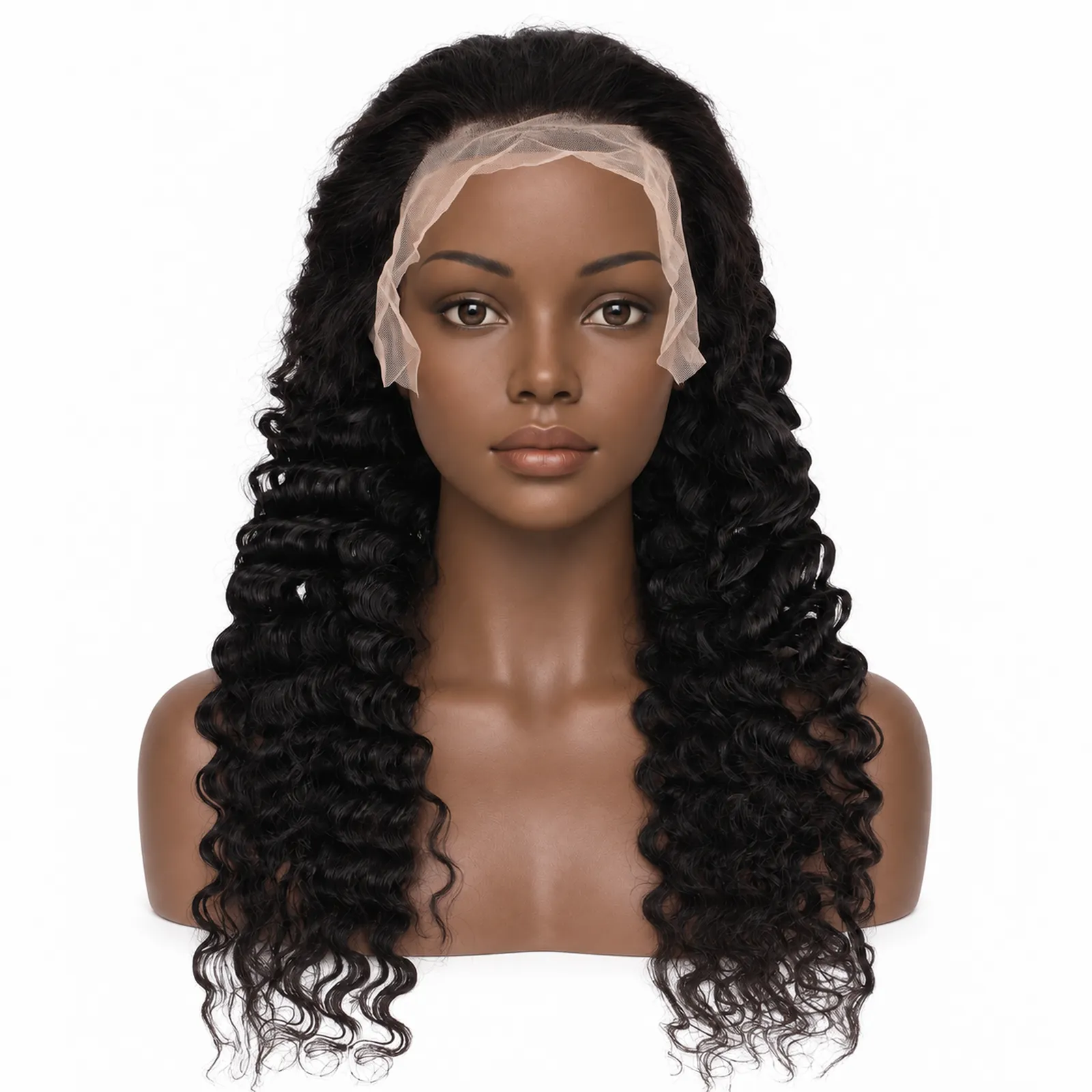
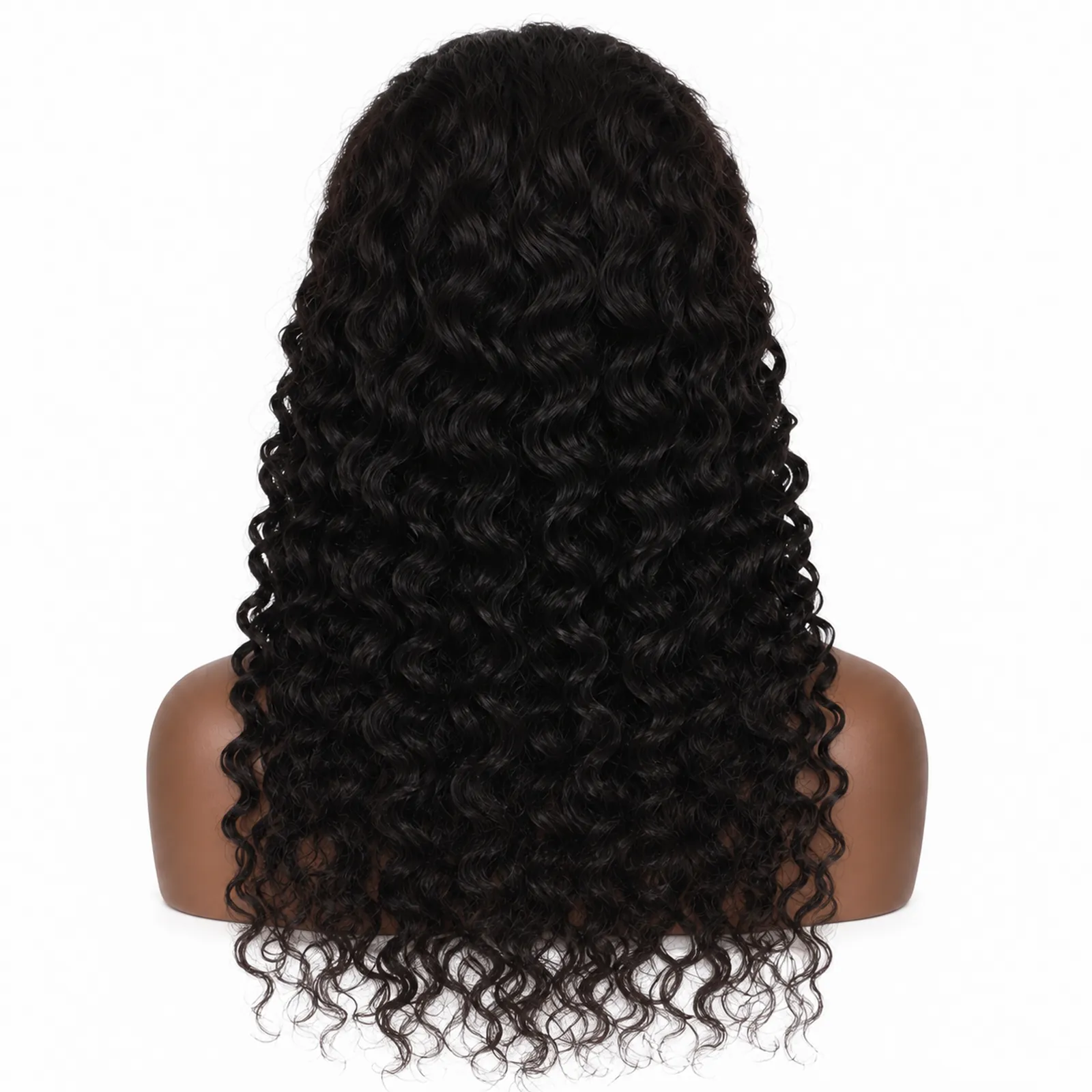
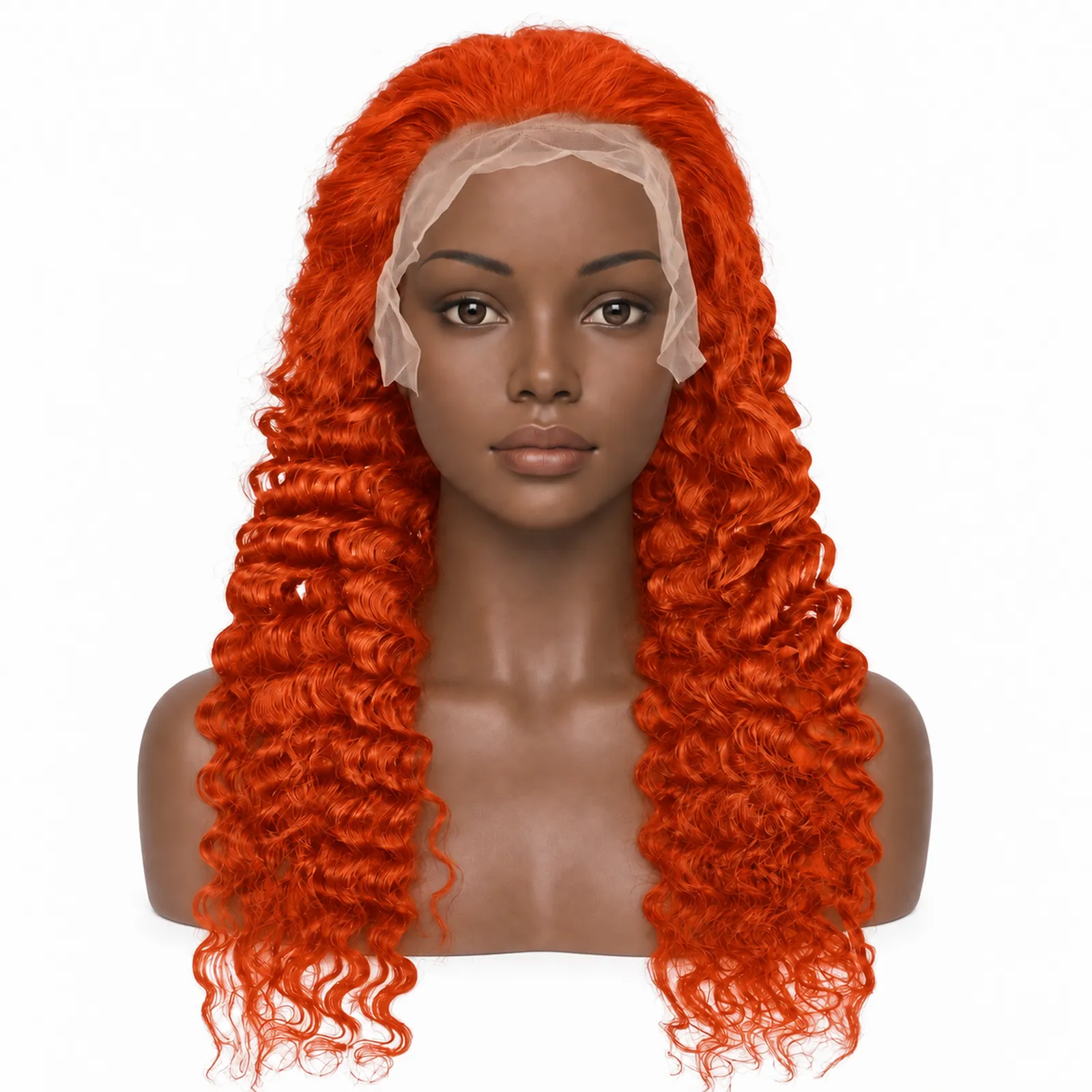
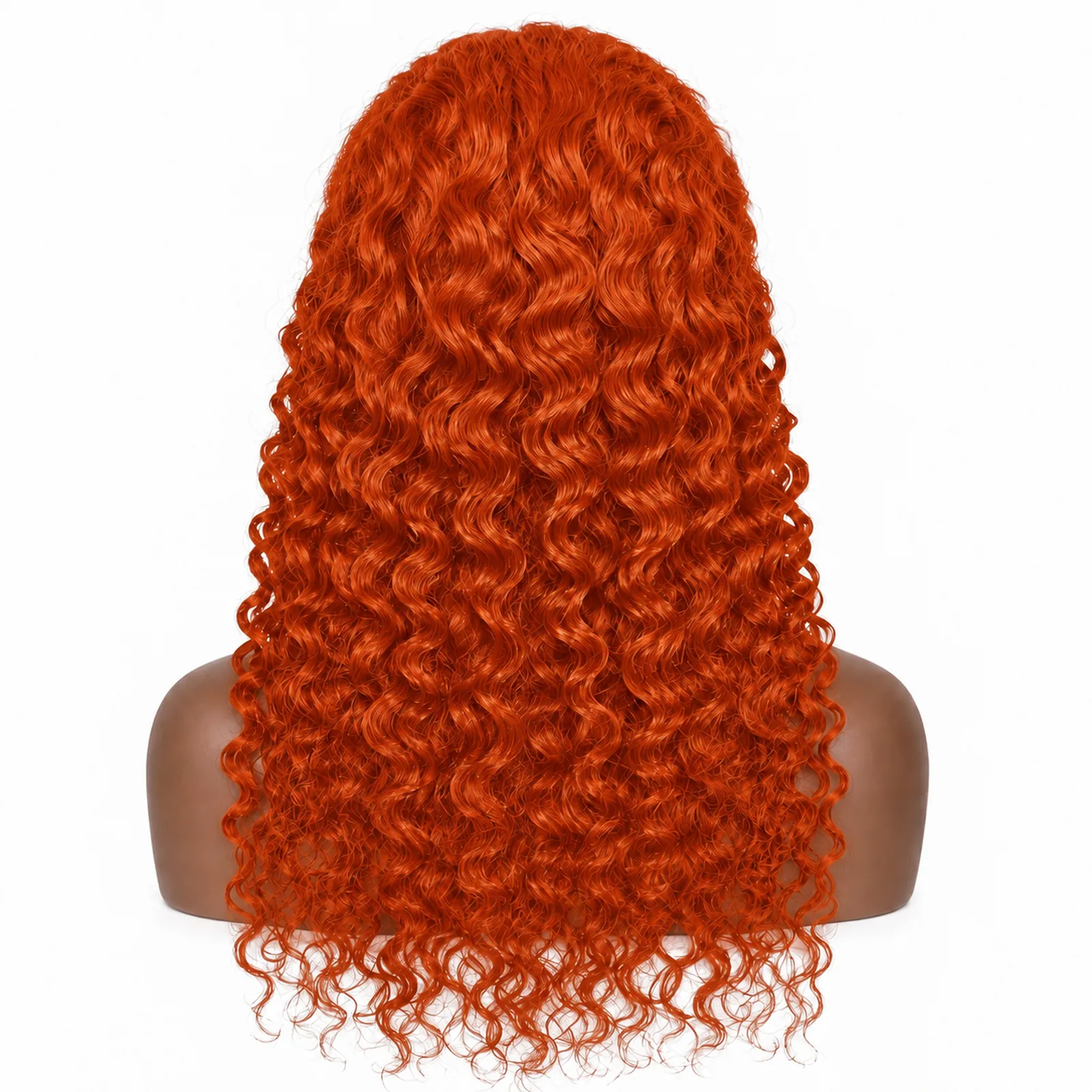
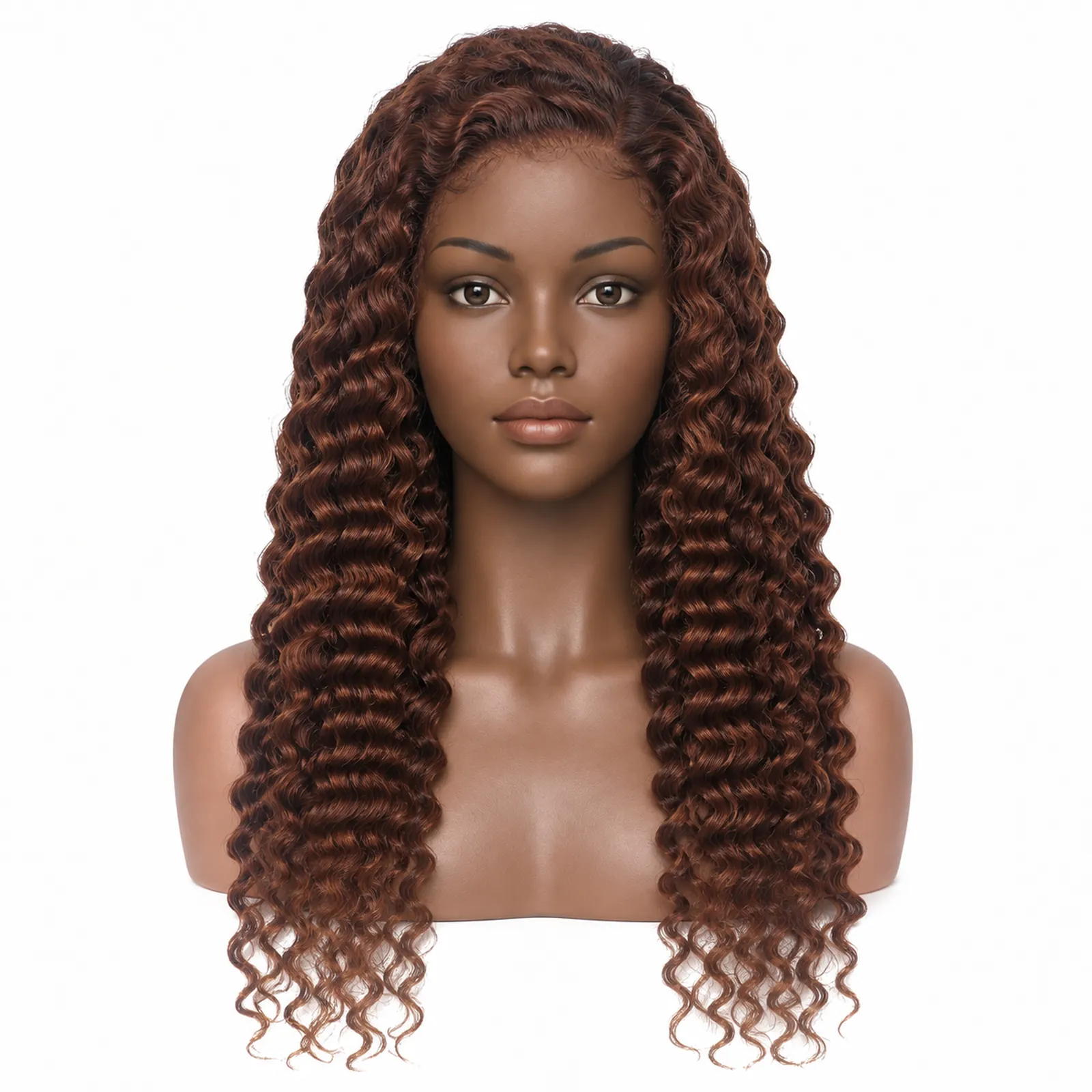
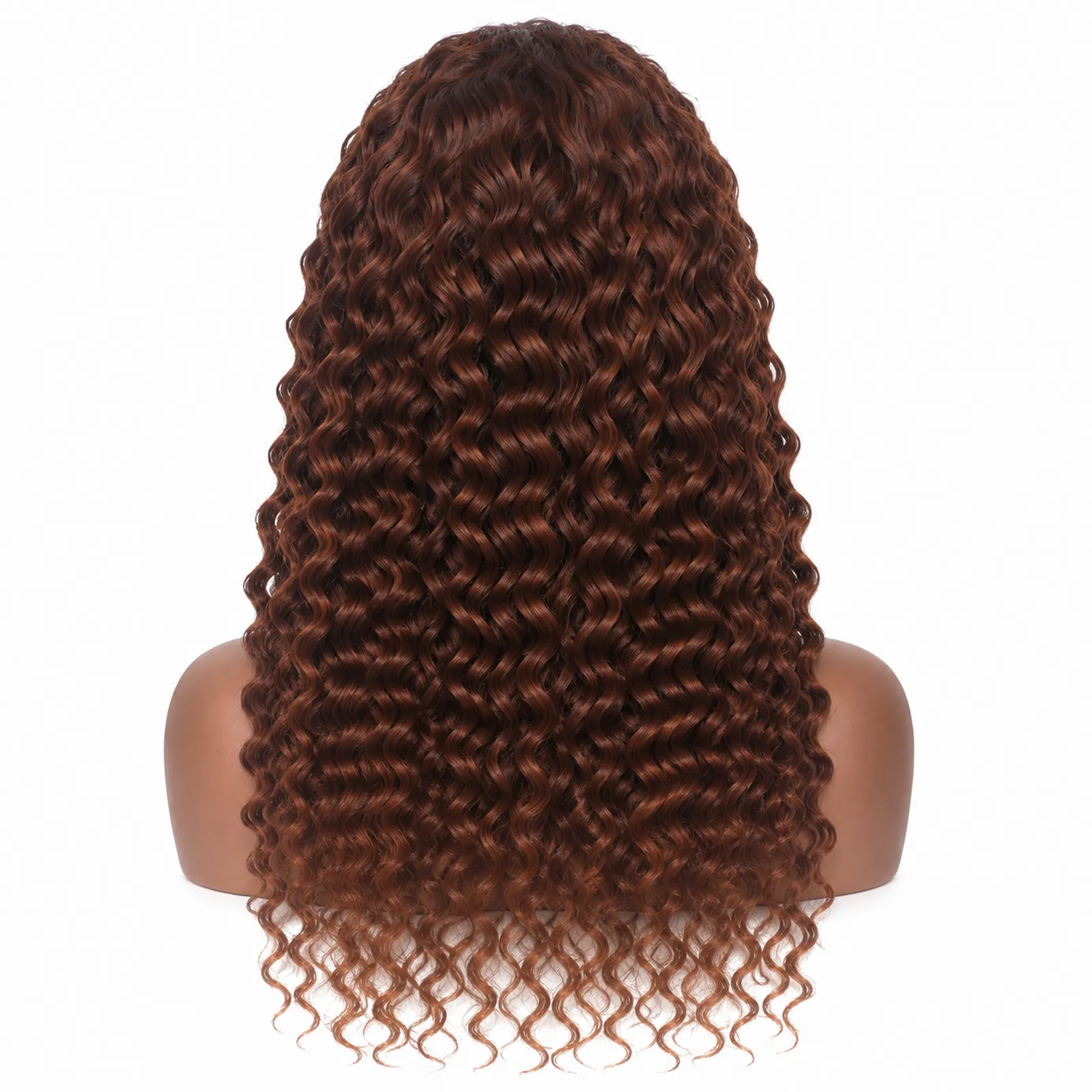
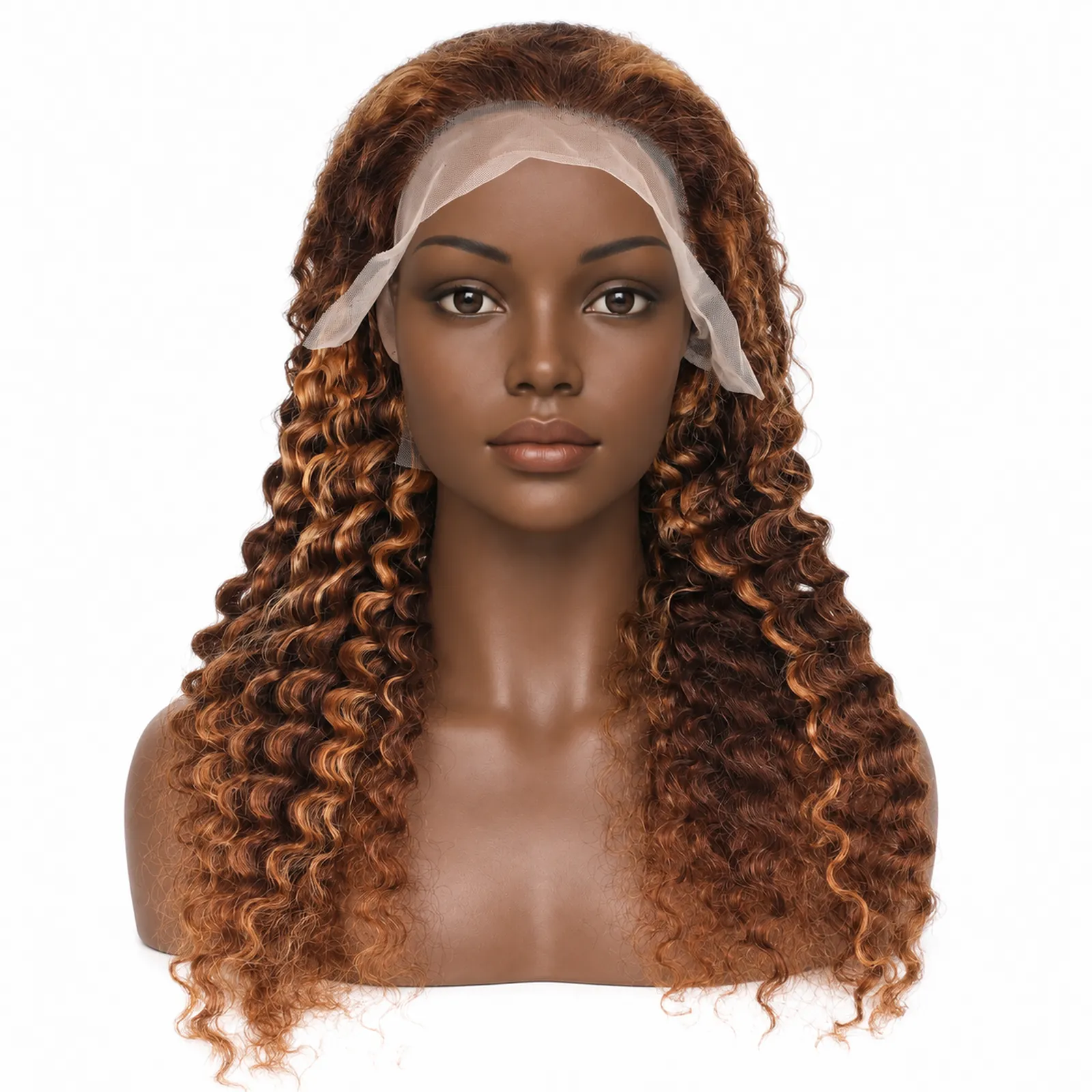
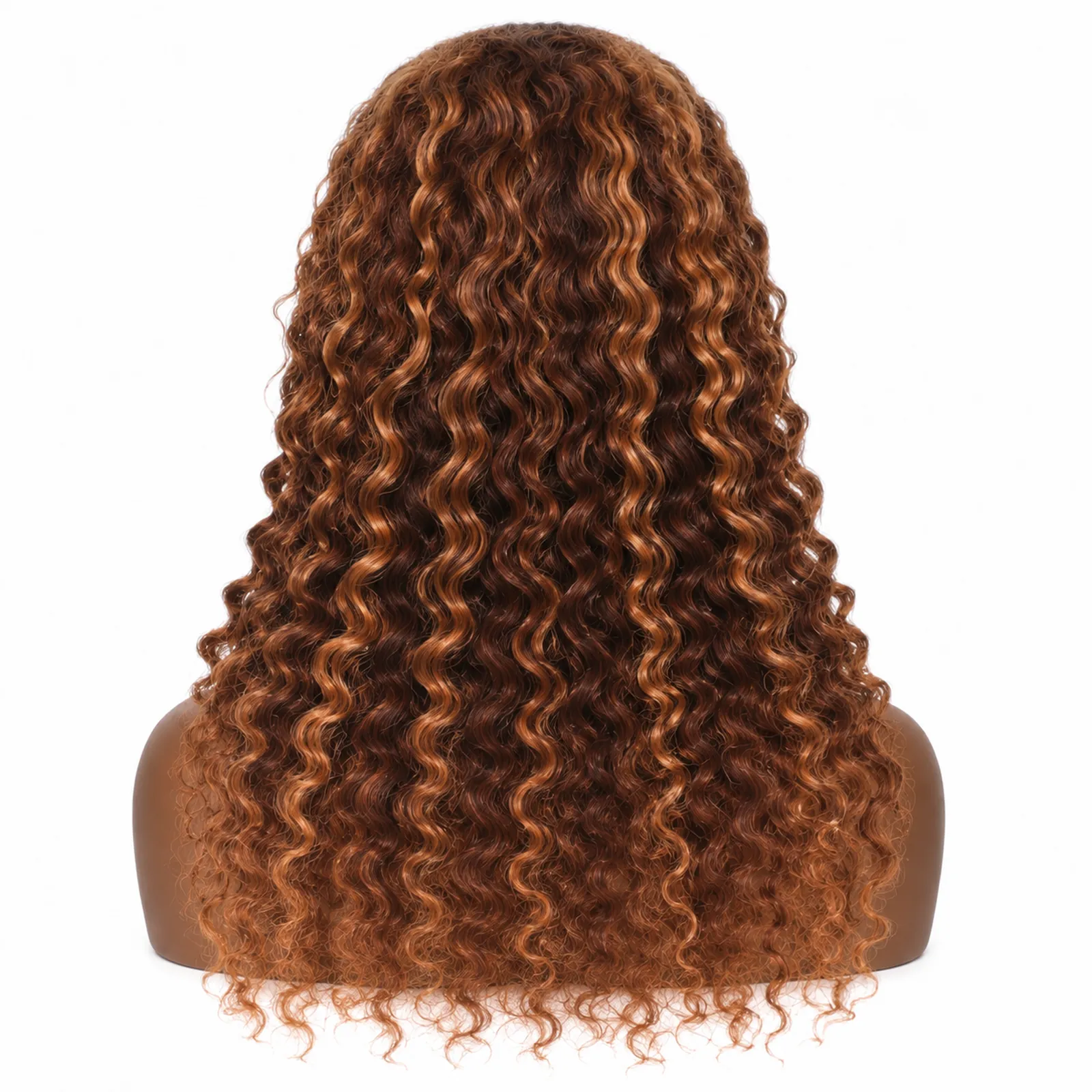
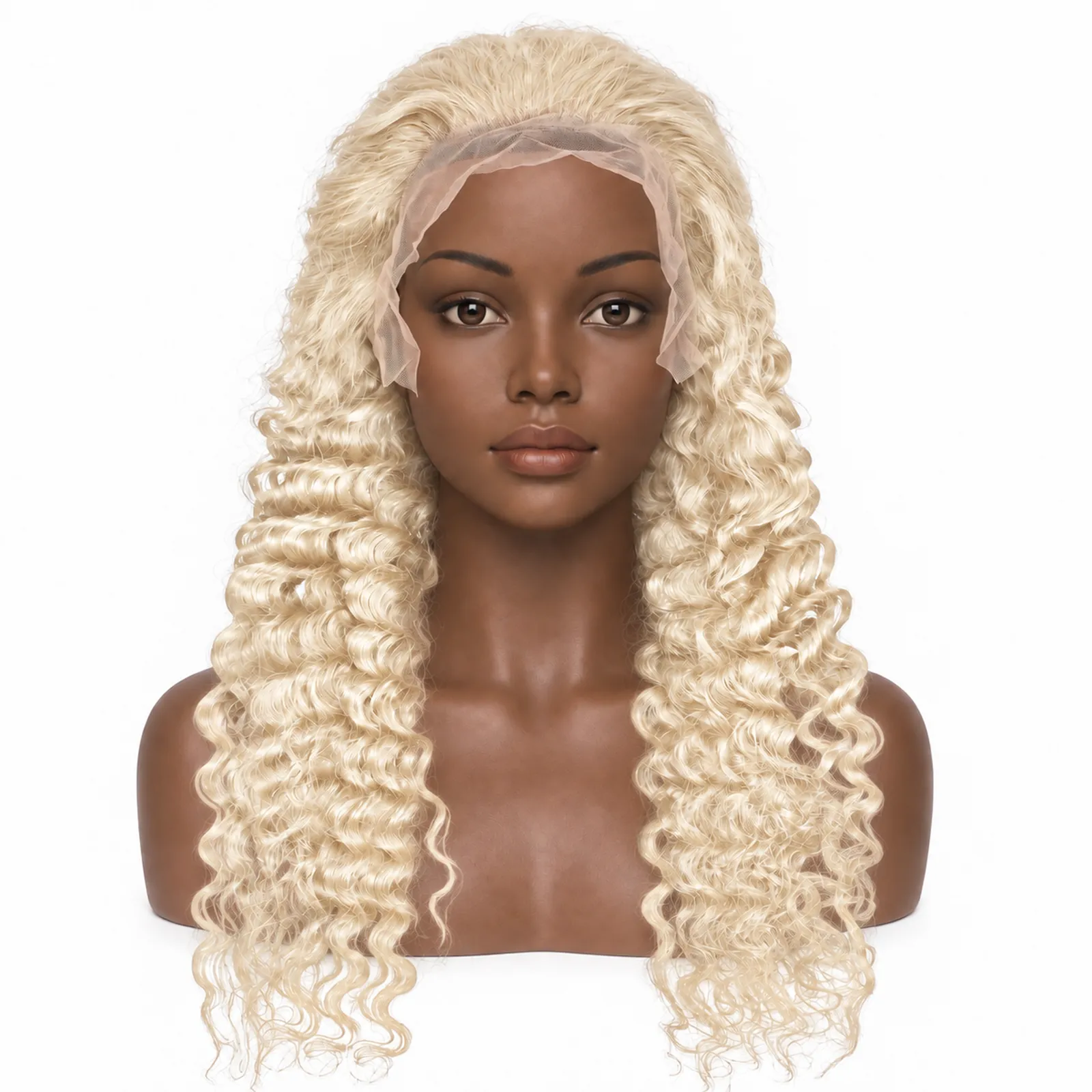
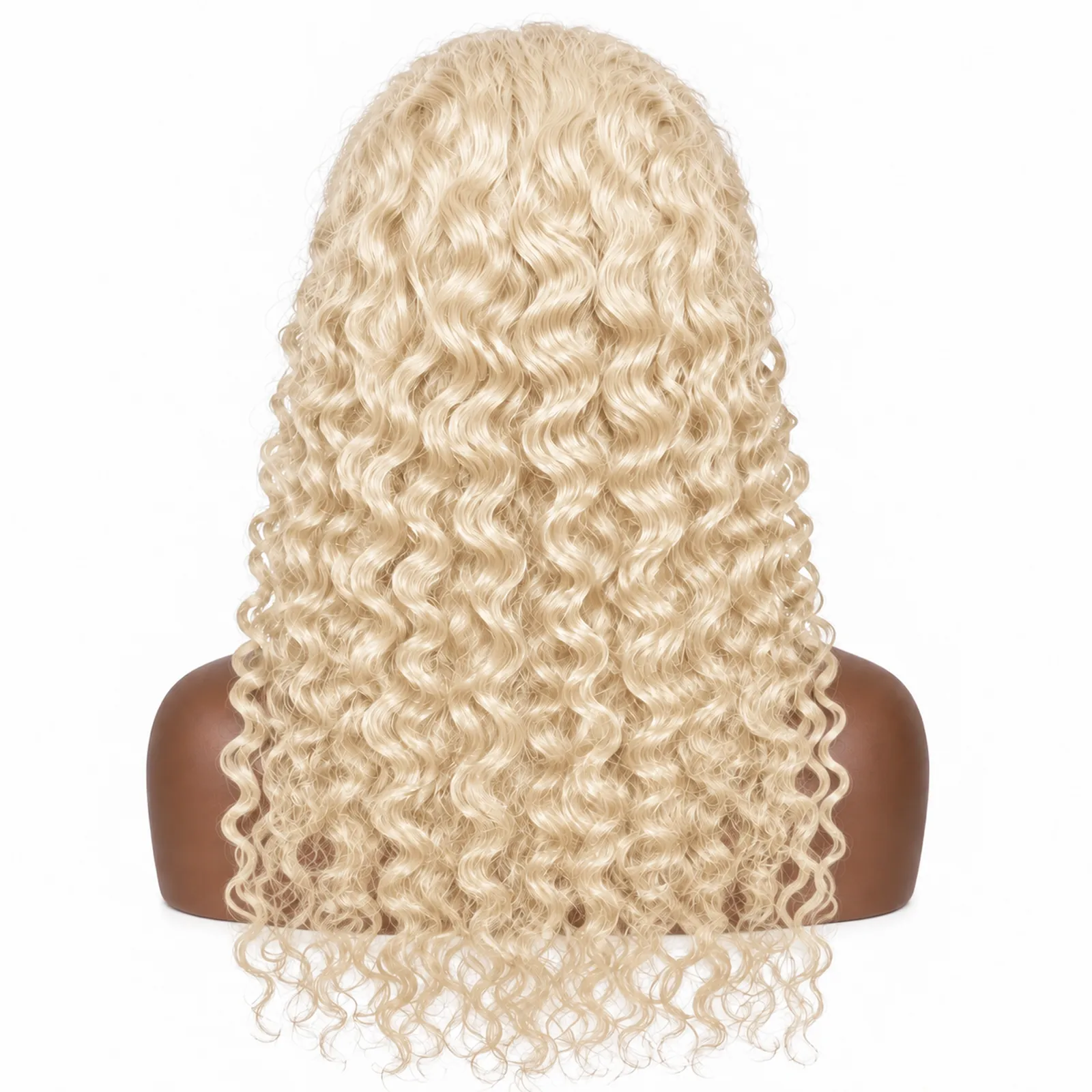
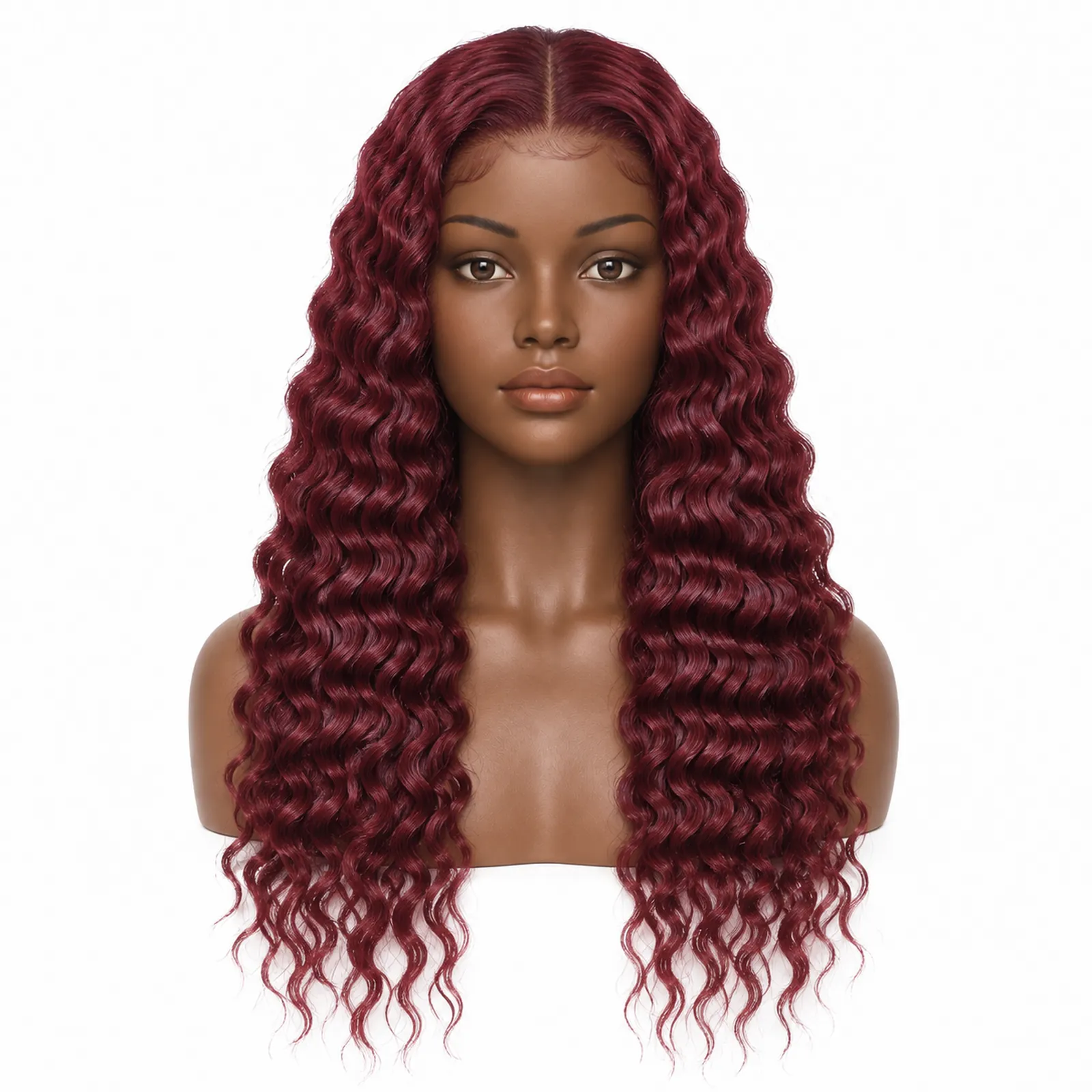
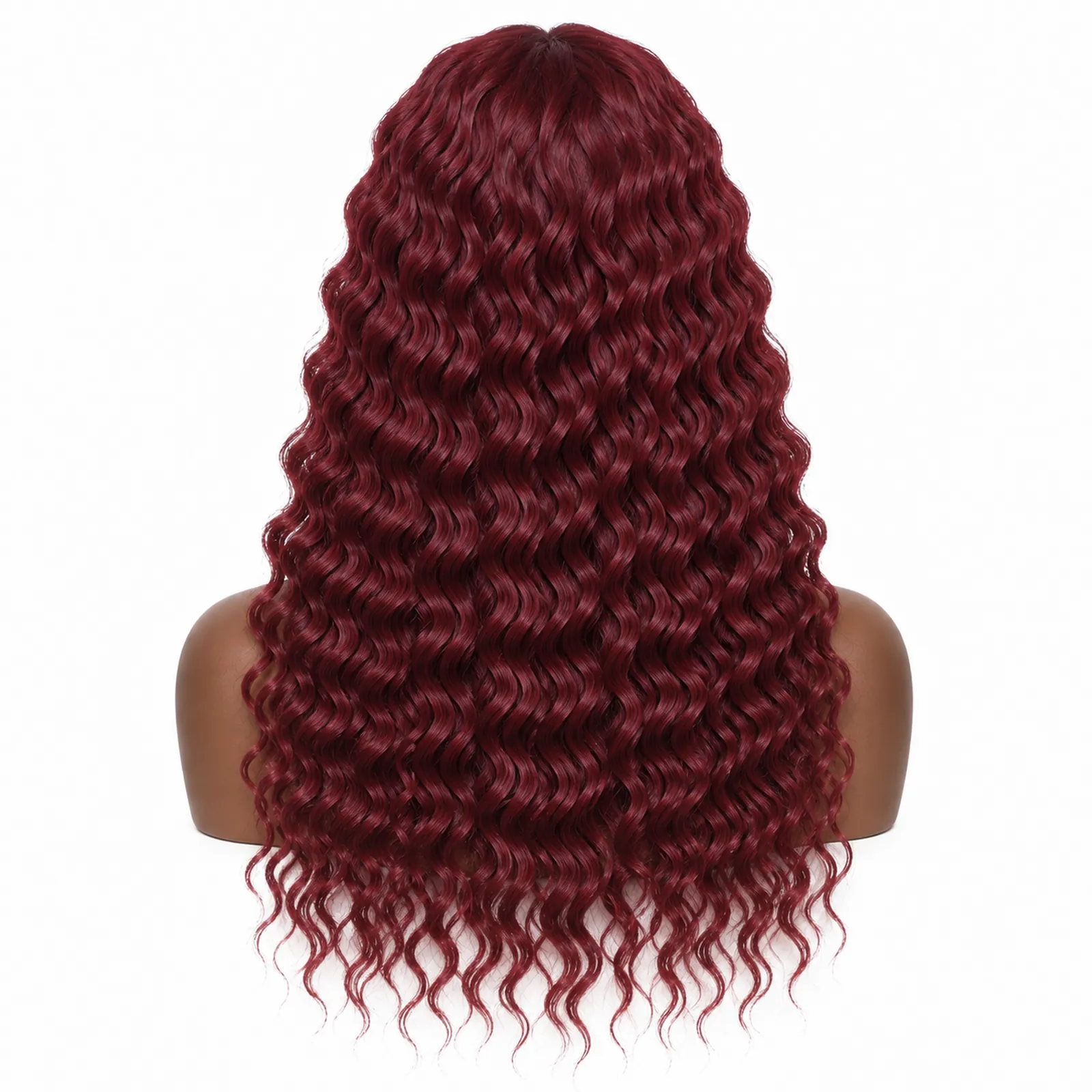
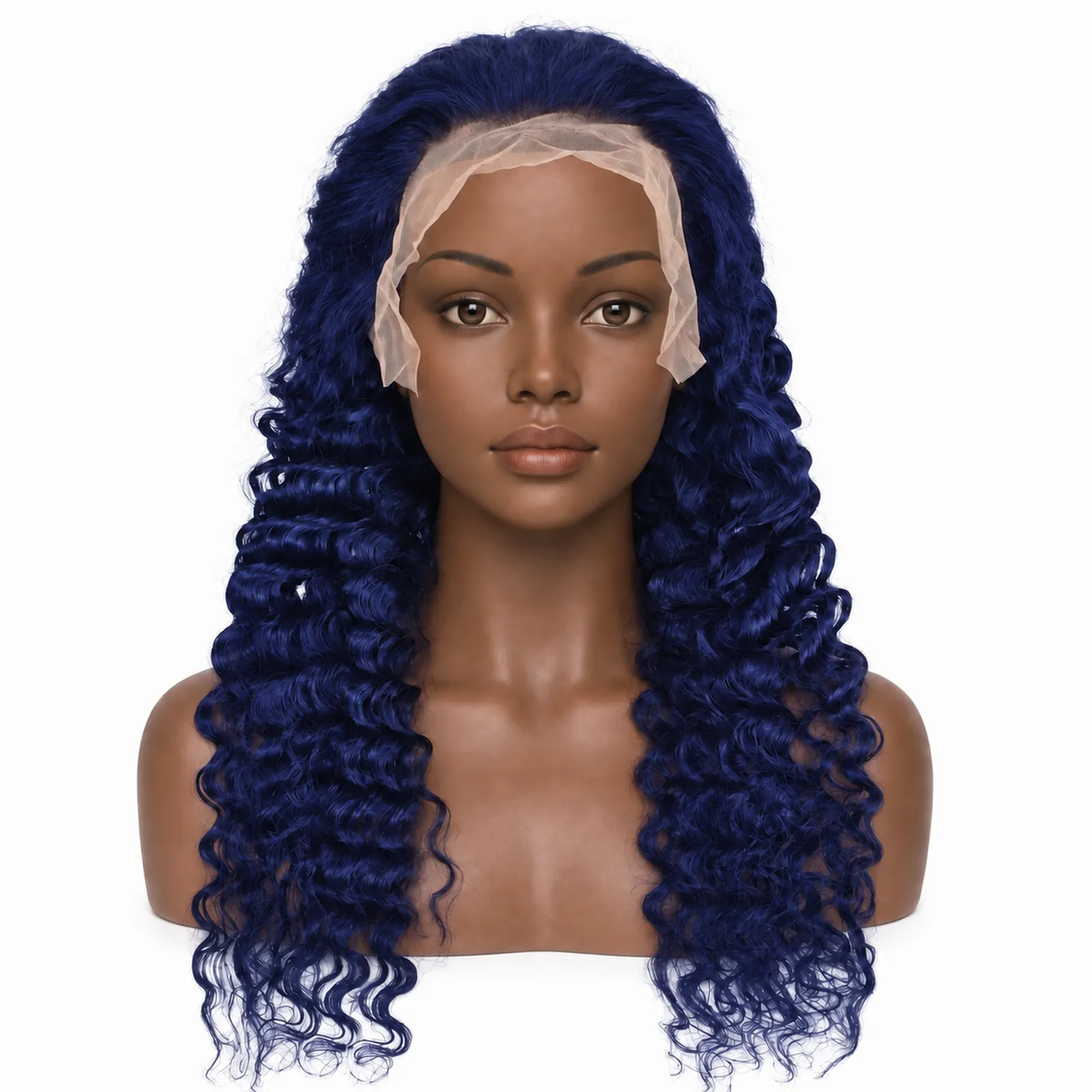
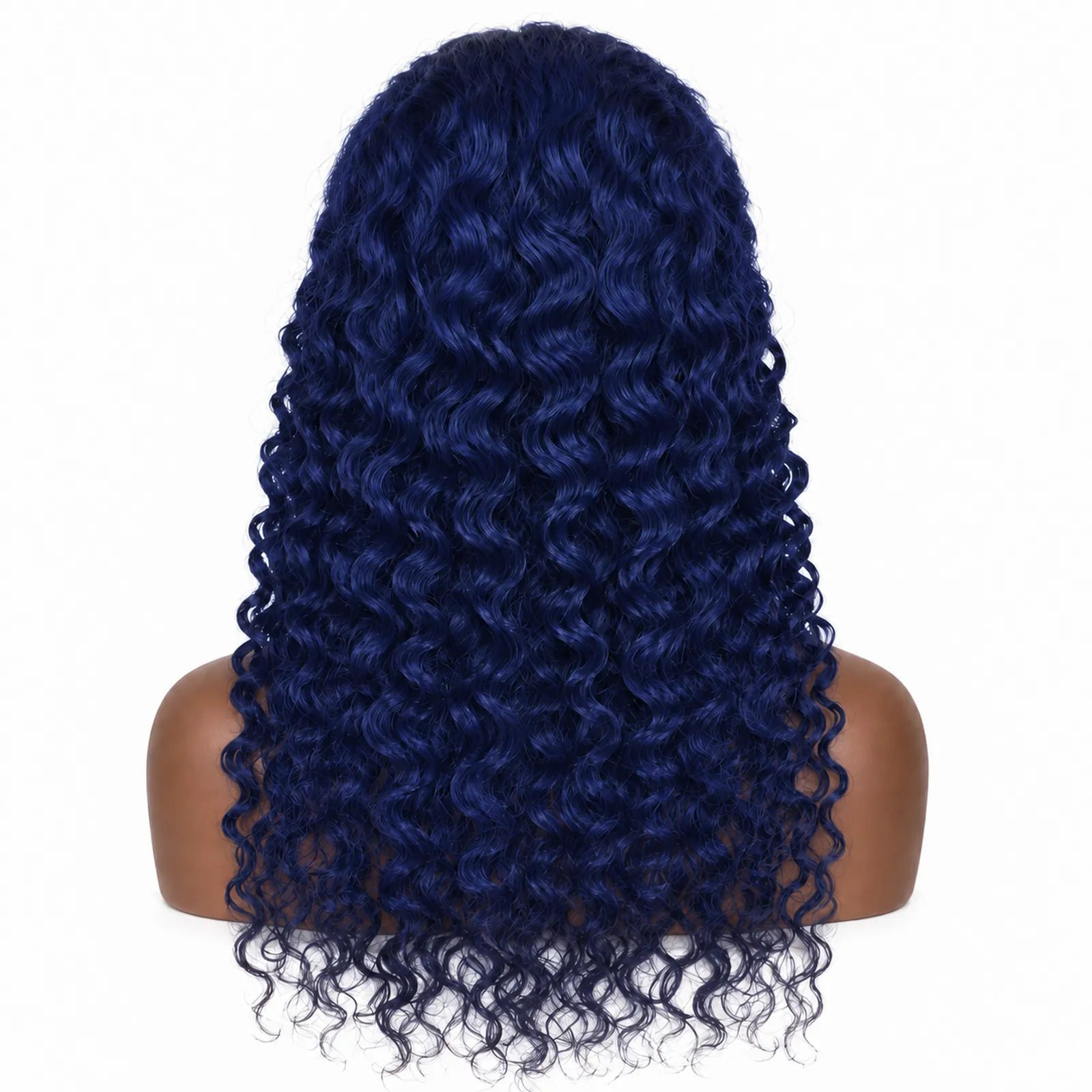
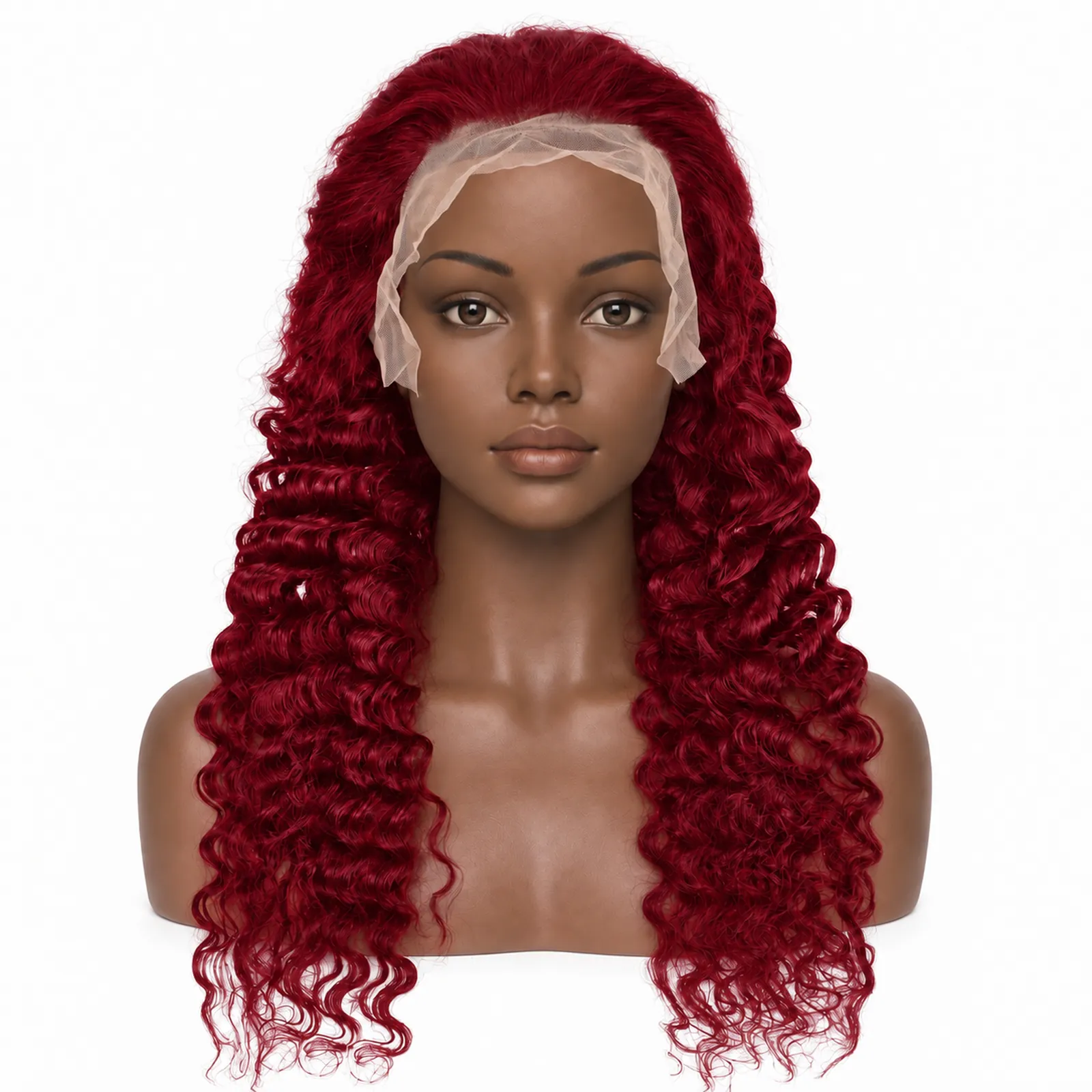
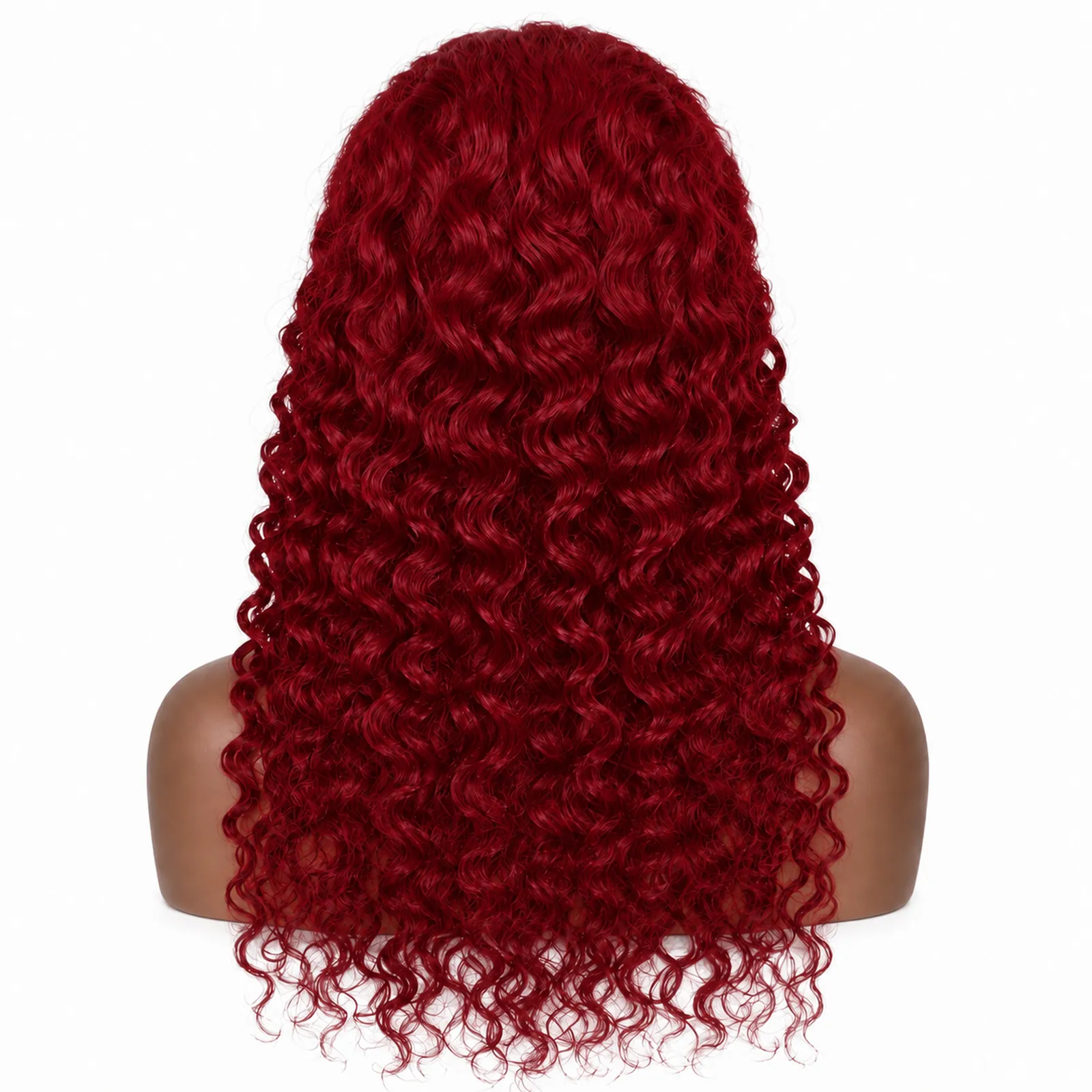
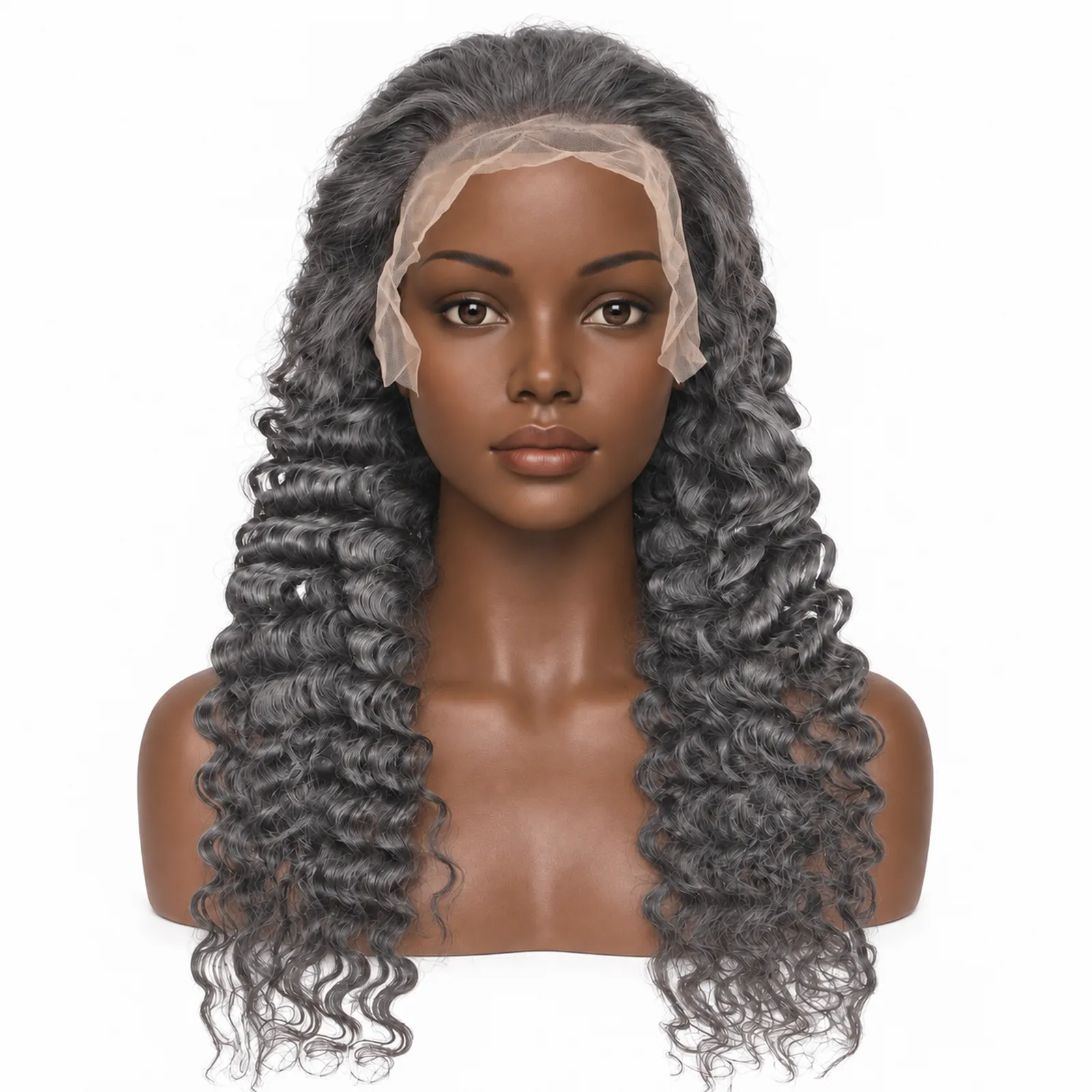
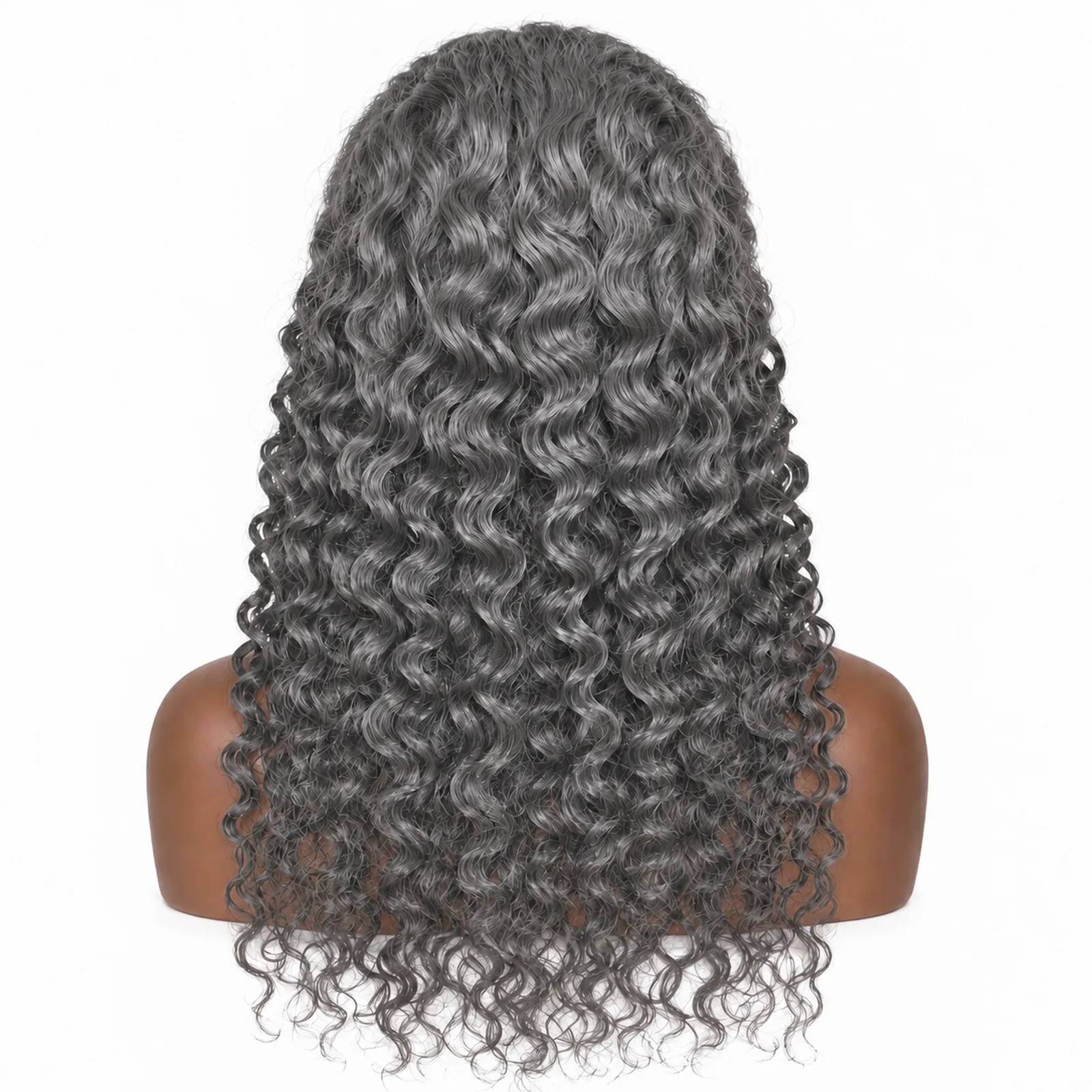
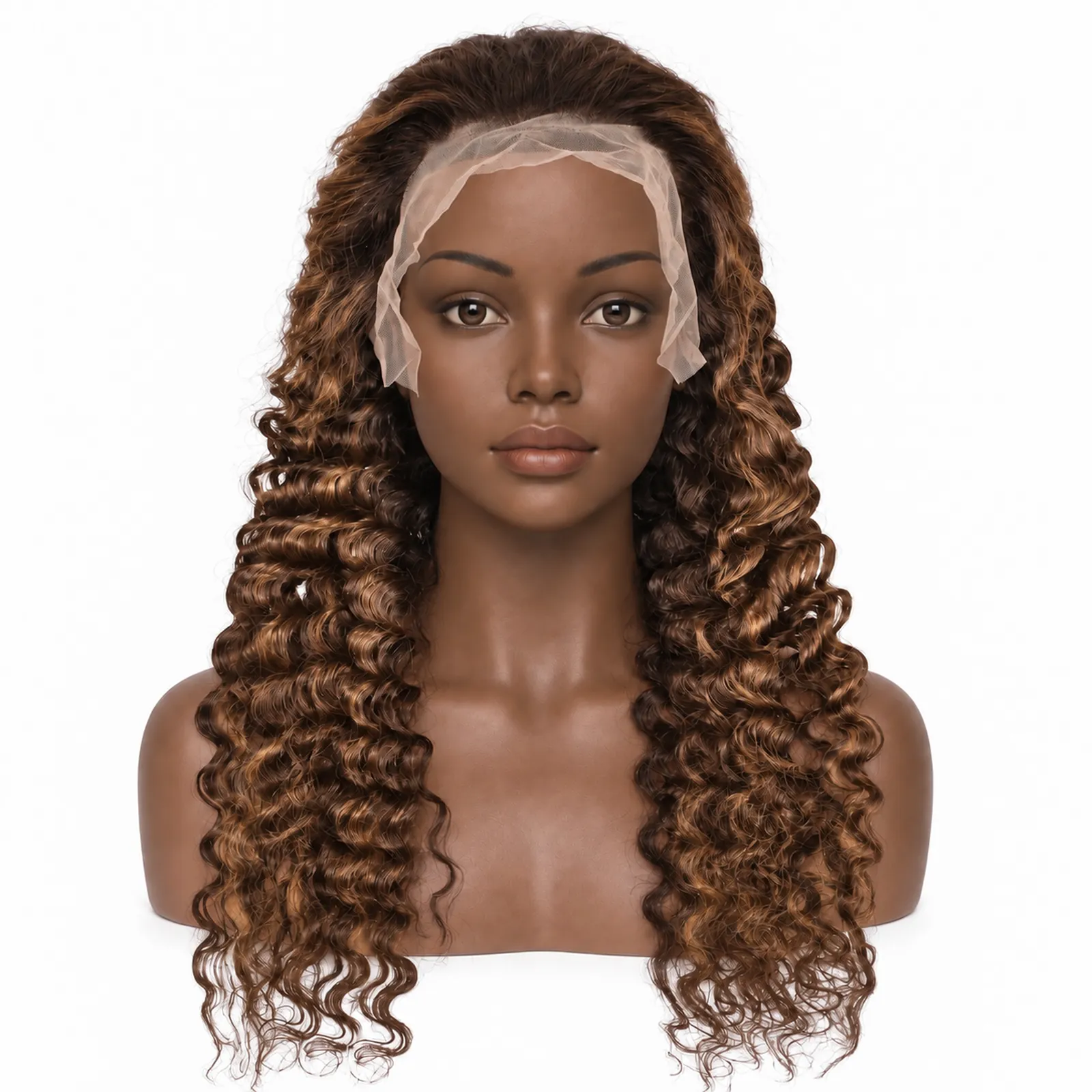
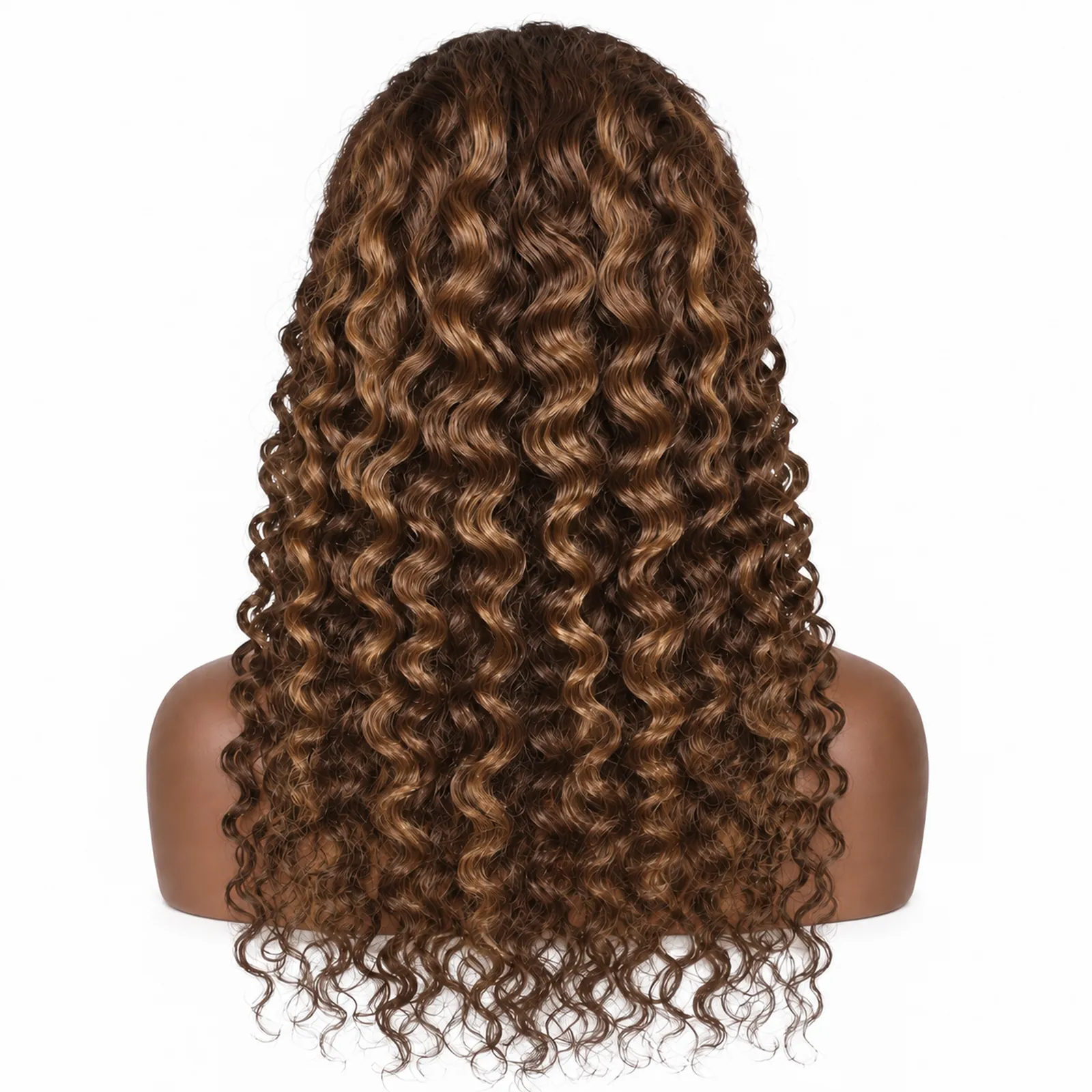
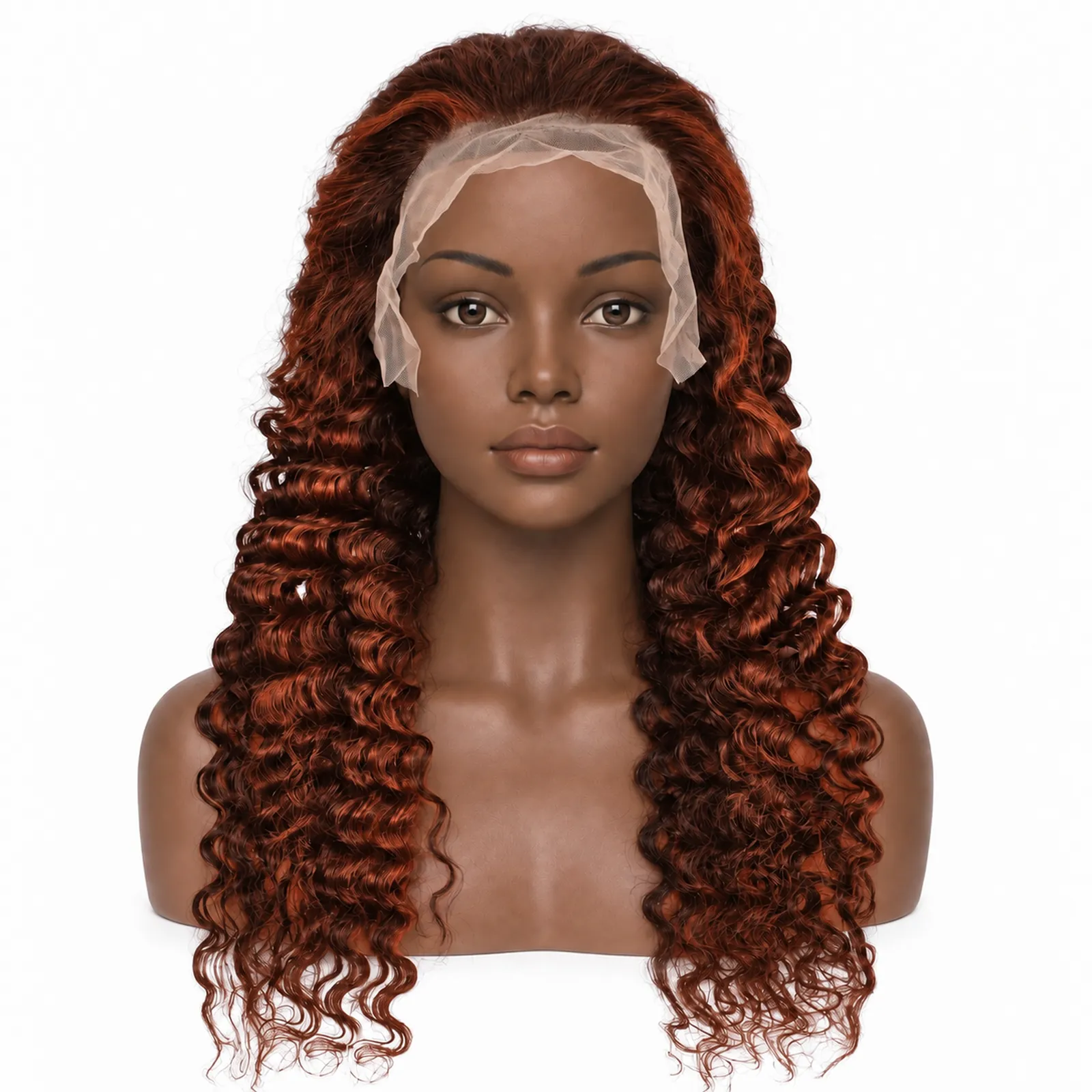
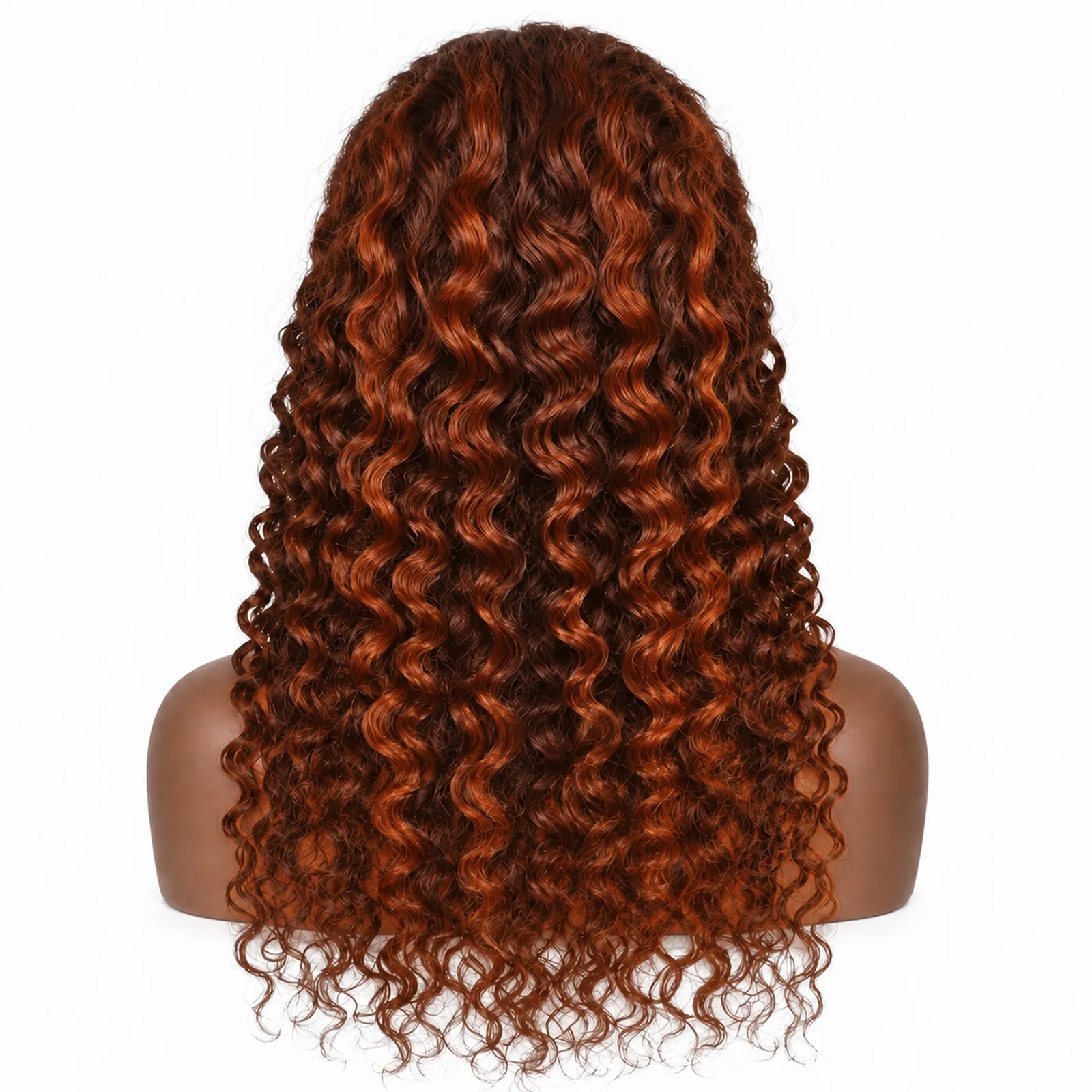
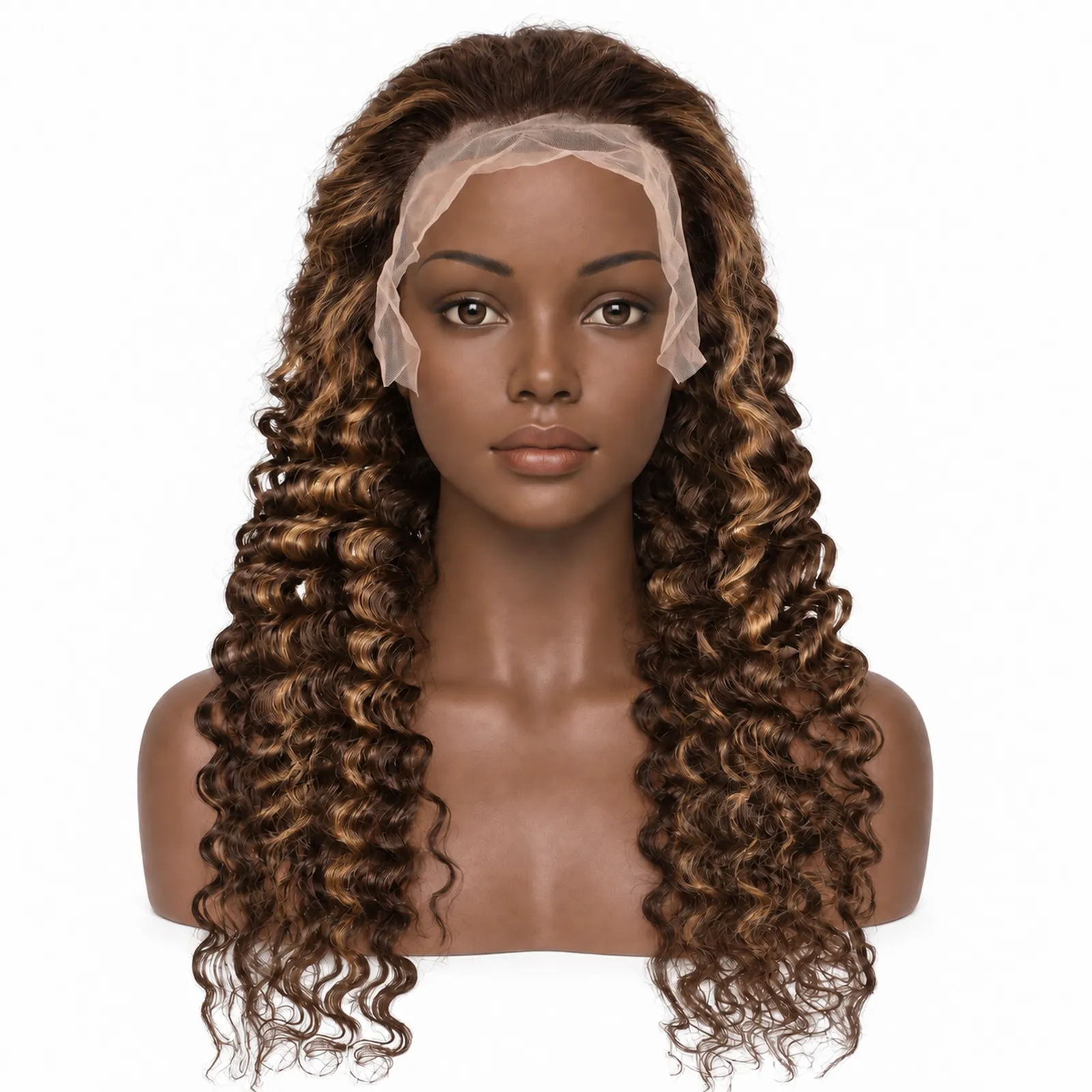
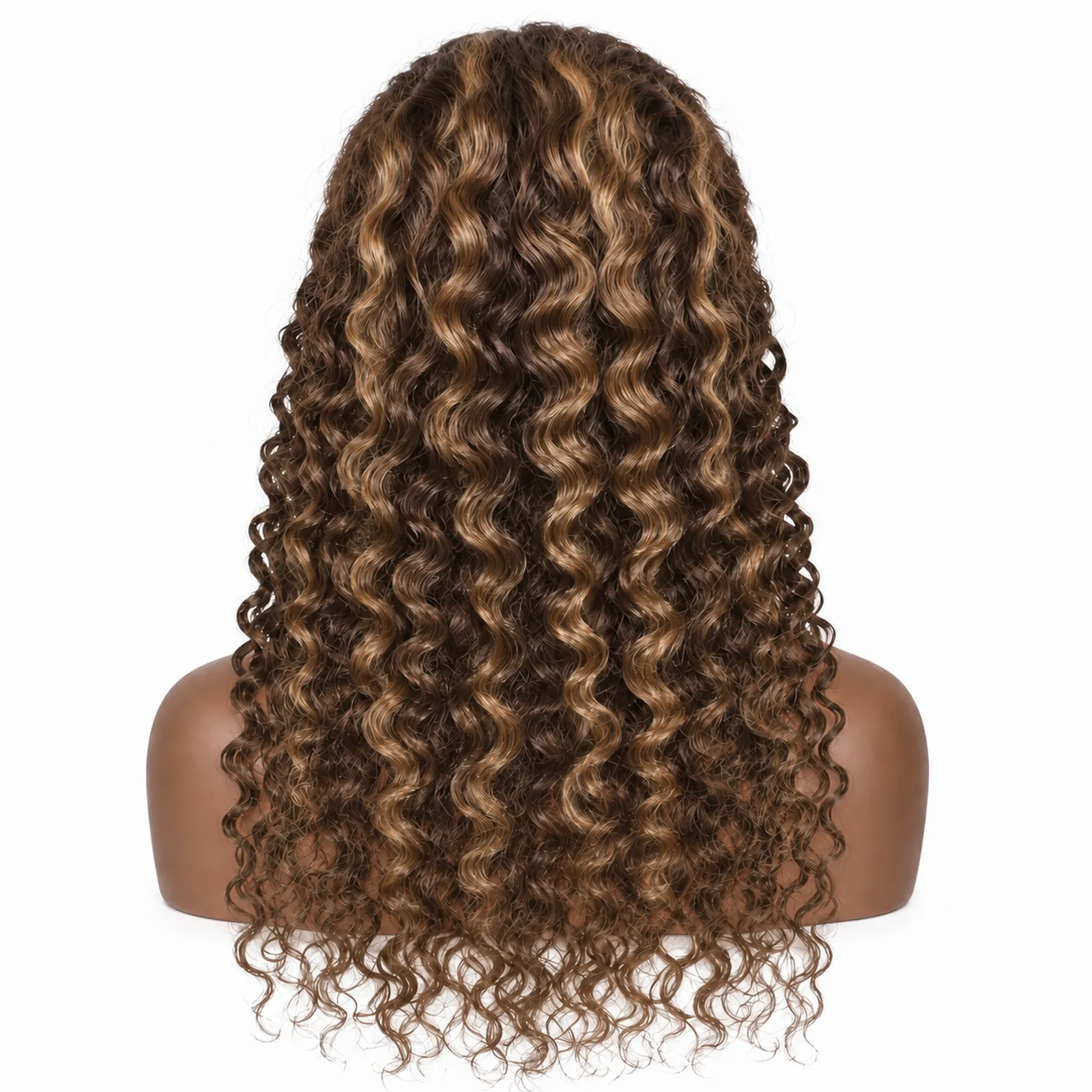
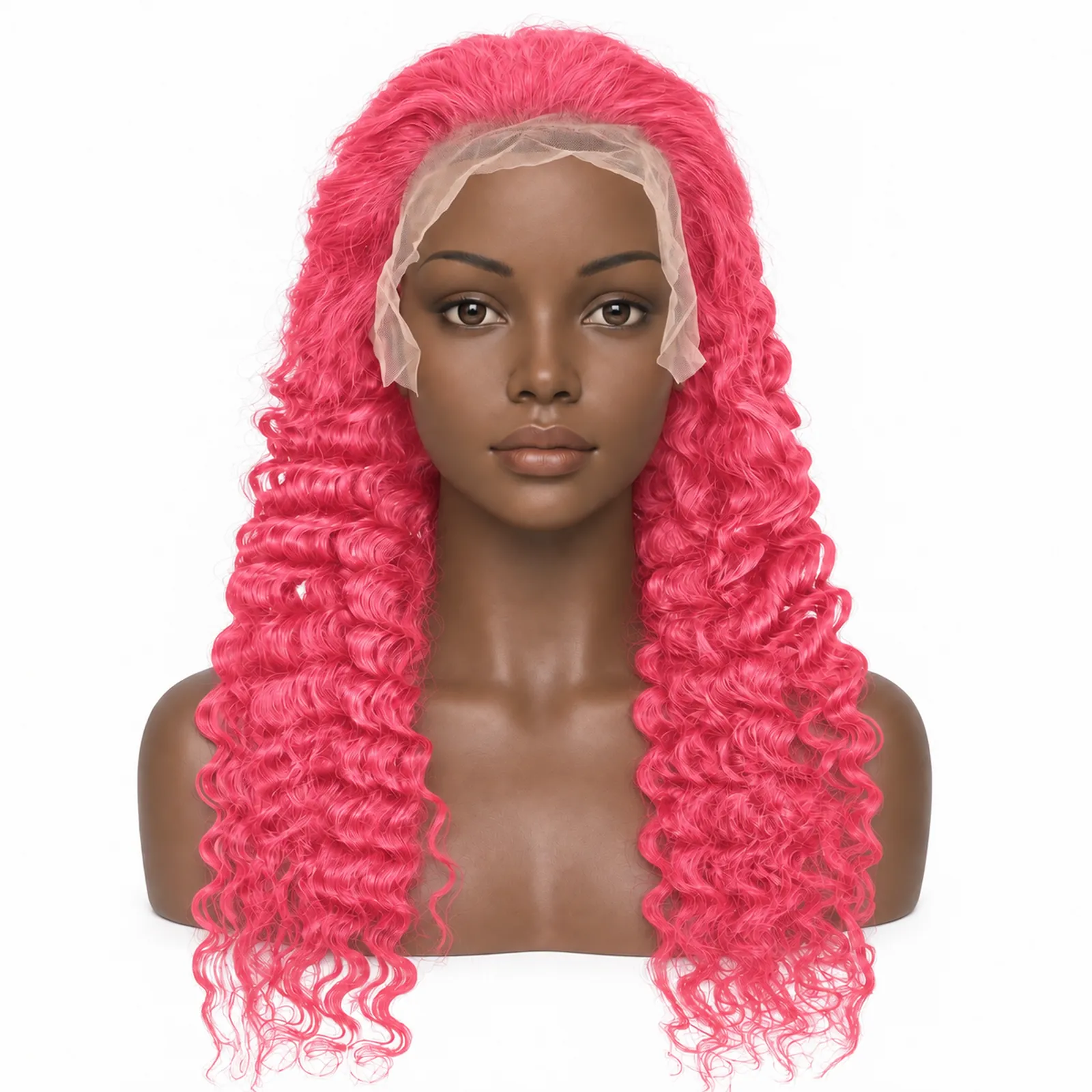
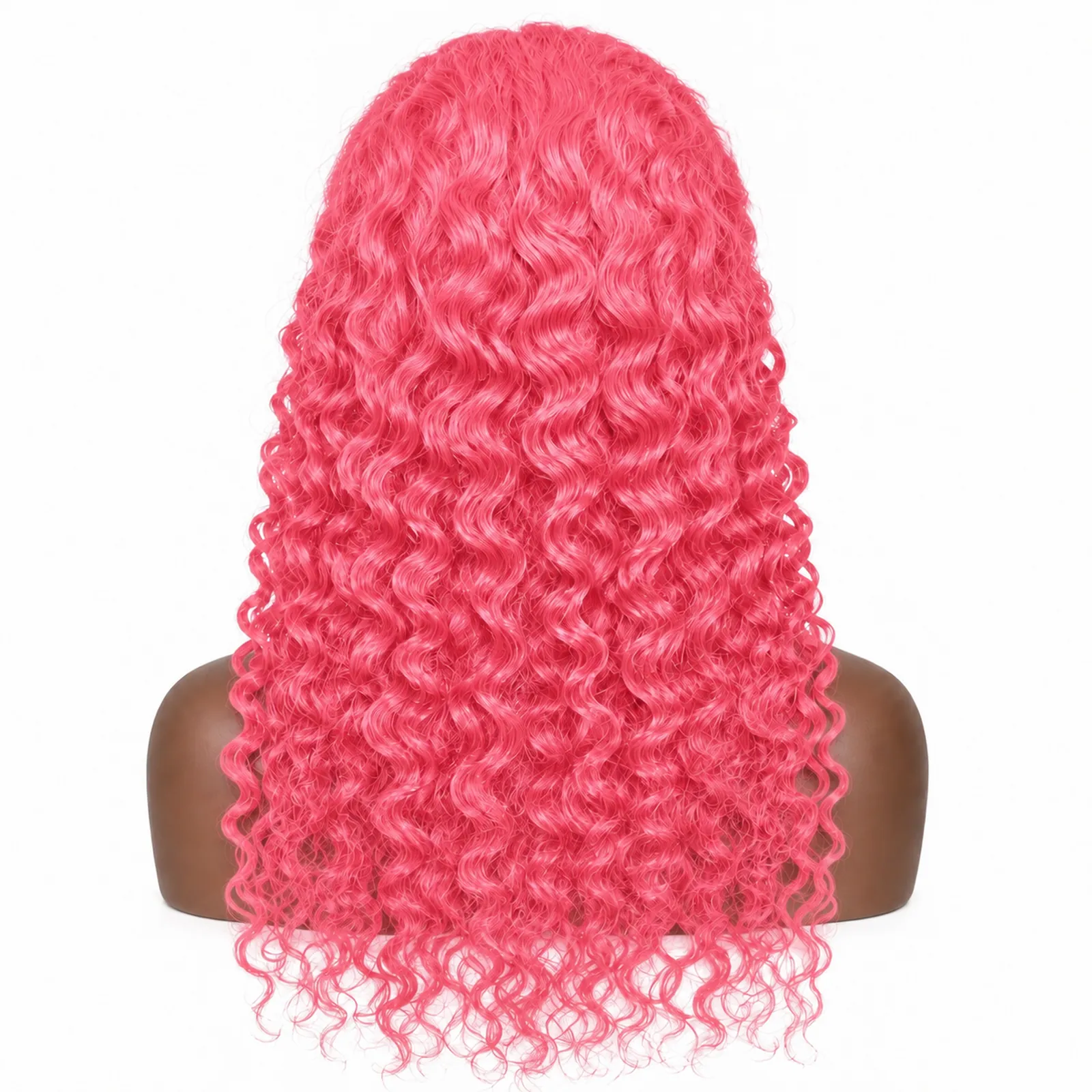
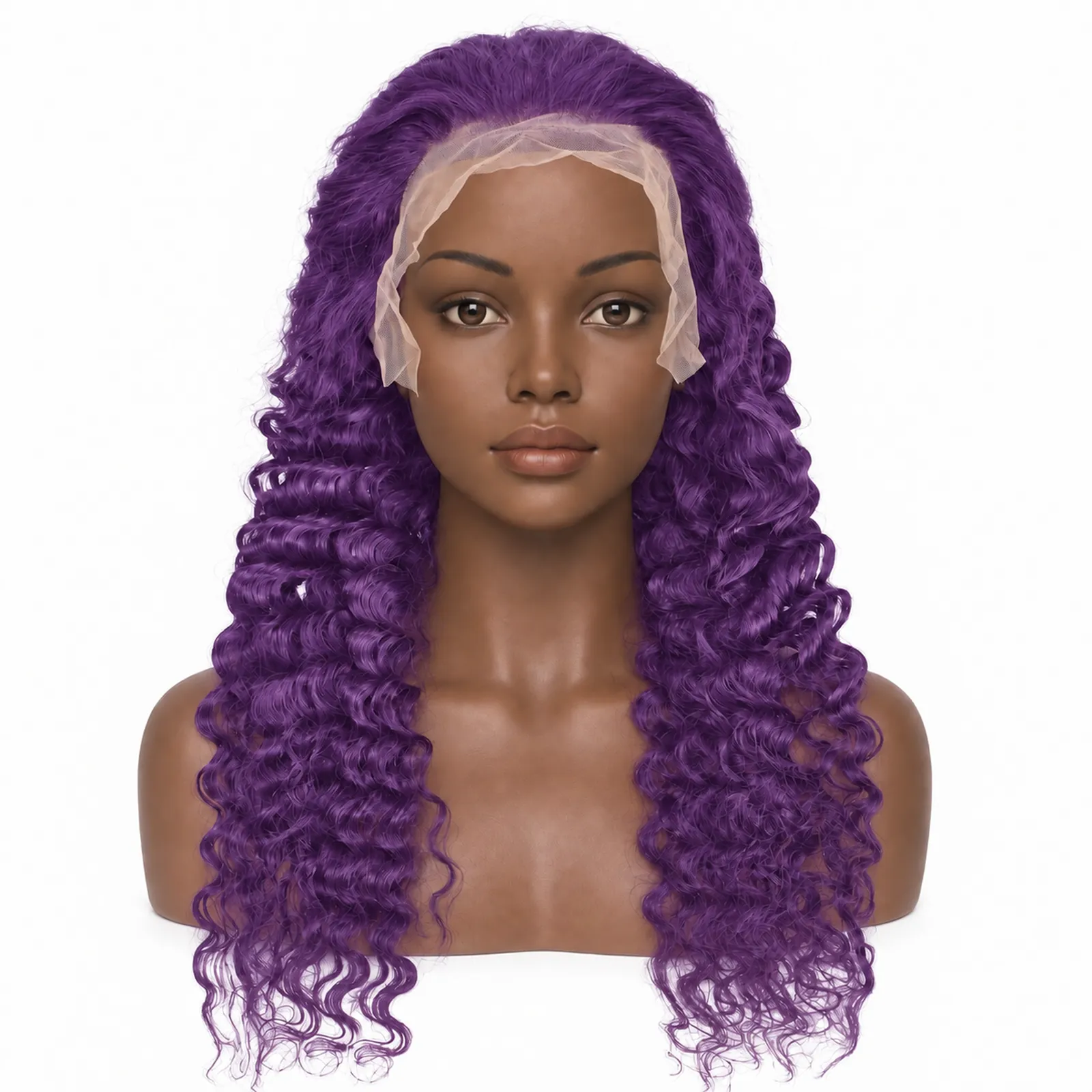
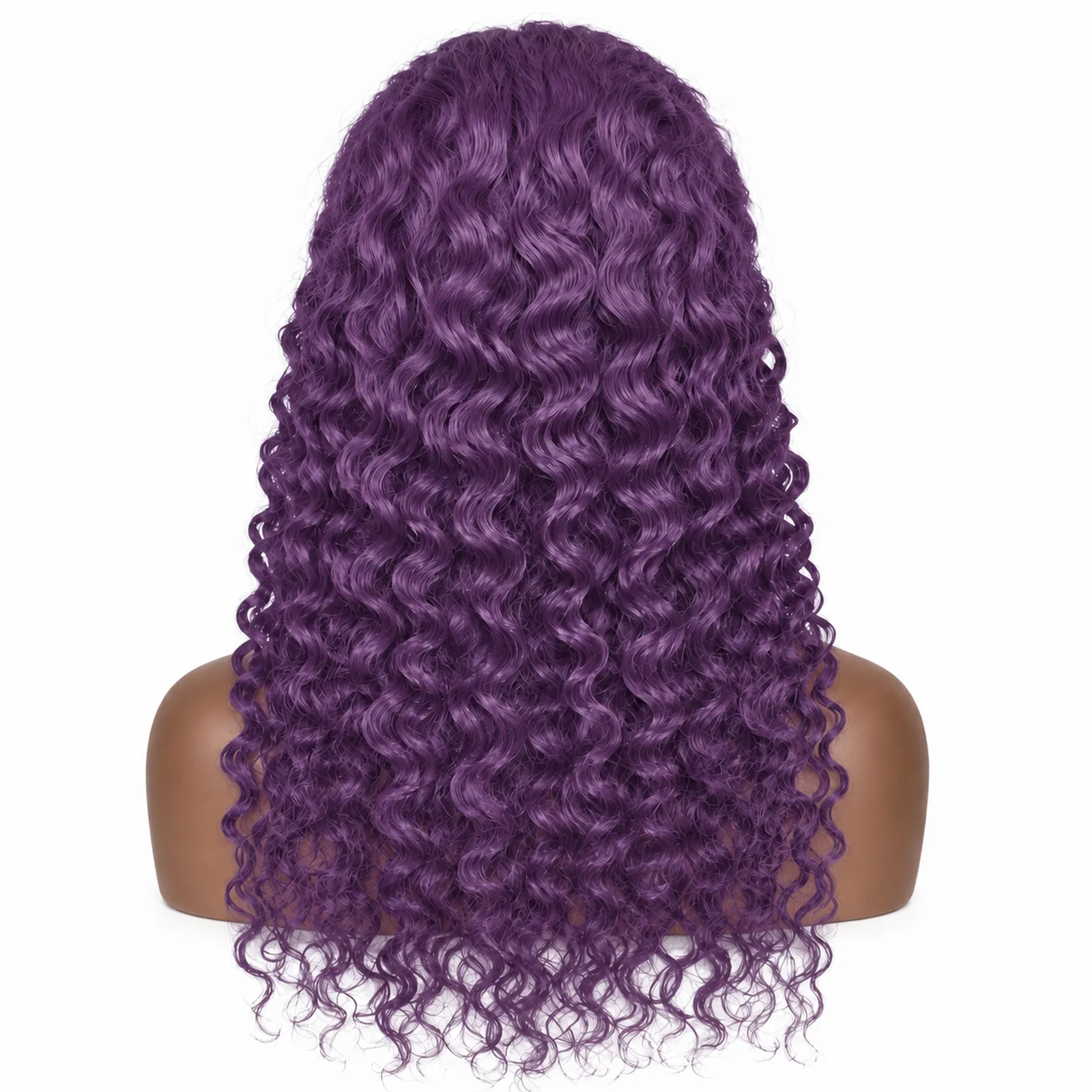
Deep wave has tight, close-set waves with a lot of volume and bounce. It suits anyone who wants a full, voluminous curly look that reads as natural.
How it looks at each length
Deep wave shrinks more than our other wave textures, roughly three to four inches, because its tight, close-set waves stack on top of each other. At 16 inches (41 cm) it forms a full, rounded shape between the chin and the shoulders. From 20 to 24 inches (51 to 61 cm) the curls fall to the collarbone or chest with plenty of width. From 26 to 32 inches (66 to 81 cm) the weight loosens the waves at the crown while the lower half stays tight and bouncy, reaching mid-back or lower.
Which density to choose
Deep wave carries a lot of volume in every strand, so it needs less density to look full. 150% already looks abundant and is the most natural choice, especially at 16 to 20 inches. 180% gives a big, bouncy everyday shape. 200% suits 26 inches and longer, so the ends do not thin out under the weight. 250% and 300% create a dramatic, very wide silhouette and a heavy wig, best kept for events and photos.
How to style it
Fluff the roots with fingers for fullness, or pull half up to show the length.
- Half-up puff: gather the top section into a high puff with a satin scrunchie and let the curls fall around the face and down the back.
- Defined clumps: on soaking-wet hair, work curl cream and gel through section by section, smoothing each piece between your fingers, and let it air-dry untouched.
- Root lift: once it is completely dry, lift the roots with a wide-tooth pick without touching the ends, so the curls keep their definition.
- Deep side part with one side pinned: sweep the curls over and pin the short side back with two small combs or bobby pins for an asymmetric shape.
- Headband look: push the curls back with a wide headband or a scarf to show the hairline and let the volume sit behind it.
Care tips
Detangle gently while damp with conditioner, working from the ends, so the pattern keeps its shape.
Common mistakes and how to avoid them
- Skipping the leave-in: deep wave dries out faster than looser waves, and dry curls lose their shape and knot. Apply a water-based leave-in after every wash and mist it between washes.
- Touching or separating the curls while they are still wet: they frizz and lose their clumps. Wait until the hair is completely dry, then separate them with a drop of light oil on your fingertips.
- Choosing 250% or 300% at 16 inches: the short curls stack into a wide, triangular shape. At short lengths, 150% or 180% keeps the shape rounded.
How it compares
Deep wave has the tightest, most uniform waves of our wave textures, with the most volume and the most shrinkage. Loose deep wave is the same idea opened up: bigger, softer waves that show more length and need less upkeep. Water wave has smaller, less regular ripples with a wetter, beachier finish. Choose deep wave for full, bouncy volume that reads close to curly; if you want true curls, look at our jerry curl or kinky curly textures.
Questions about these wigs
What is a deep wave wig?
A deep wave wig has tight, close-set S-waves from root to tip, tighter and more uniform than body wave or loose deep wave, with a lot of volume and bounce. It sits between wavy and curly: at a glance it reads almost as curls, but a strand pulled straight shows a soft wave. The pattern is set into the hair and returns after every wash.
How do you style a deep wave wig?
Define it wet, then build volume once it is dry. On soaking-wet hair, apply curl cream and a light gel section by section and let it air-dry or diffuse it on low heat. When it is dry, lift the roots with a pick. Wear it full with a side part, push it back with a headband, or pull the top into a half-up puff.
Can you straighten a deep wave wig?
Yes, but deep wave takes the most work of all the waves. Blow-dry it straight in small sections with tension, using a paddle brush and a heat protectant, then flat iron each section at moderate heat, up to about 180 °C (350 °F). Washing brings the waves back, though repeated straightening loosens them over time. Expect a straight look with some body rather than bone straight.
How do you bring a deep wave wig back to life?
Wash it, deep-condition it and redefine the curls. Clarify away old product, leave a moisturizing mask on the lengths for a while, then detangle in sections while the conditioner is in. On soaking-wet hair, apply leave-in and curl cream and wrap any limp curls around your finger. Let it air-dry untouched. Trim frayed ends; curls damaged by heat may not fully come back.
How do you wash a deep wave wig?
In sections, and never by piling it up. Detangle each section first with a little conditioner and your fingers, then wash with a sulfate-free shampoo or a co-wash, squeezing it down the hair. Condition generously and rinse with cool water. Leave the hair dripping wet, apply leave-in and curl cream, and let it dry on a stand, or diffuse it on low heat if you are short on time.
What do you put on a deep wave wig?
Moisture first, then hold. A water-based leave-in conditioner keeps the curls soft, a curl cream defines them and a light gel or mousse holds the shape. Once the hair is dry, a drop of light oil on your fingertips smooths frizz. Avoid heavy butters and thick oils on the roots and the lace: they weigh the waves down and make the lace greasy.
How do you take care of a deep wave wig?
Keep it moisturized, protect it at night and detangle it on wash day, not every day. Mist it with water and leave-in whenever the curls look dry, sleep on a satin pillowcase with the hair gathered at the crown, and never brush it dry. Store it on a stand. With this routine the waves stay defined and the wig lasts about one to two years.
What does a Deep Wave wig look like?
Deep wave has tight, close-set waves with a lot of volume and bounce.
Who is Deep Wave best for?
It suits anyone who wants a full, voluminous curly look that reads as natural.