Water Wave Wig
7 wigs
Look and feel
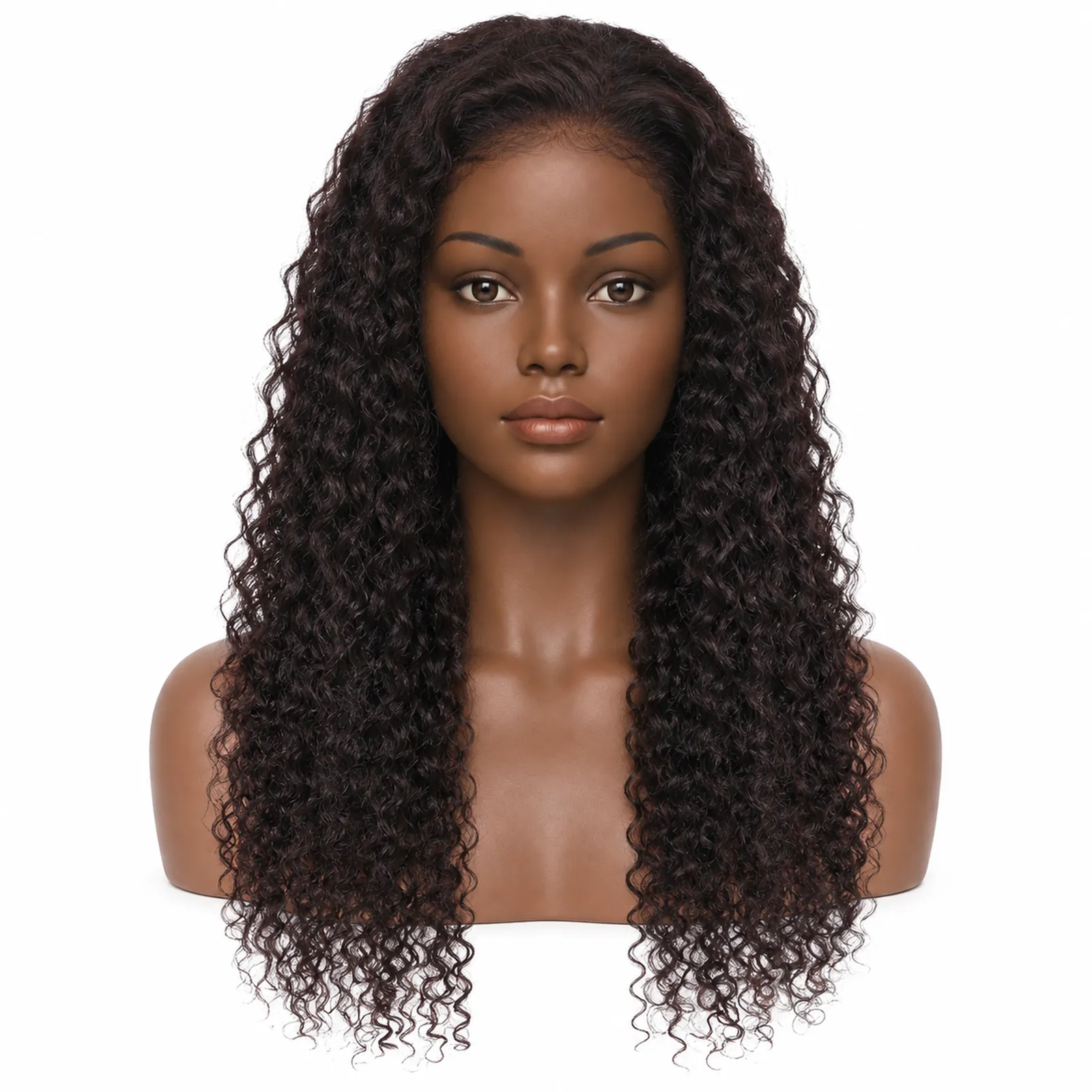
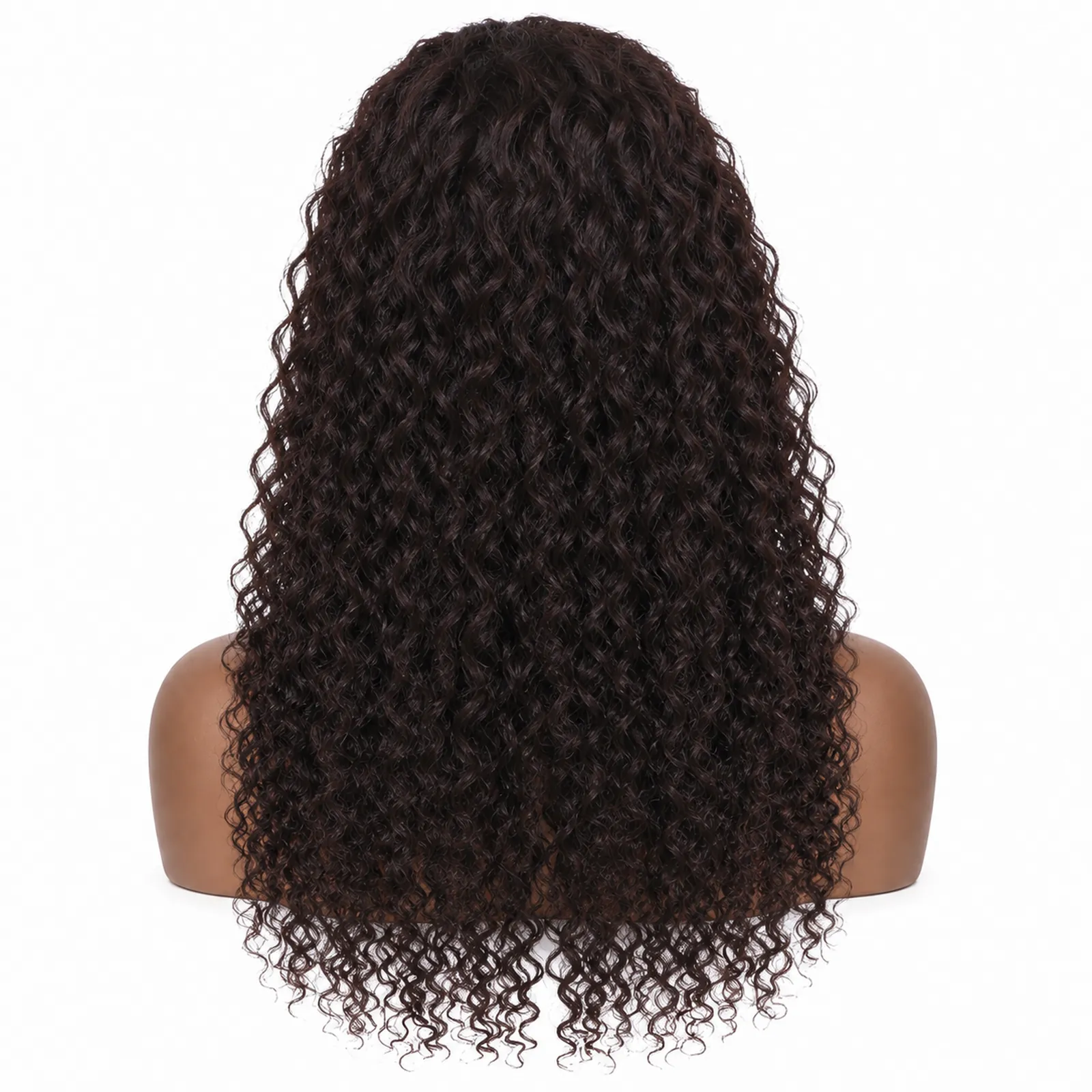
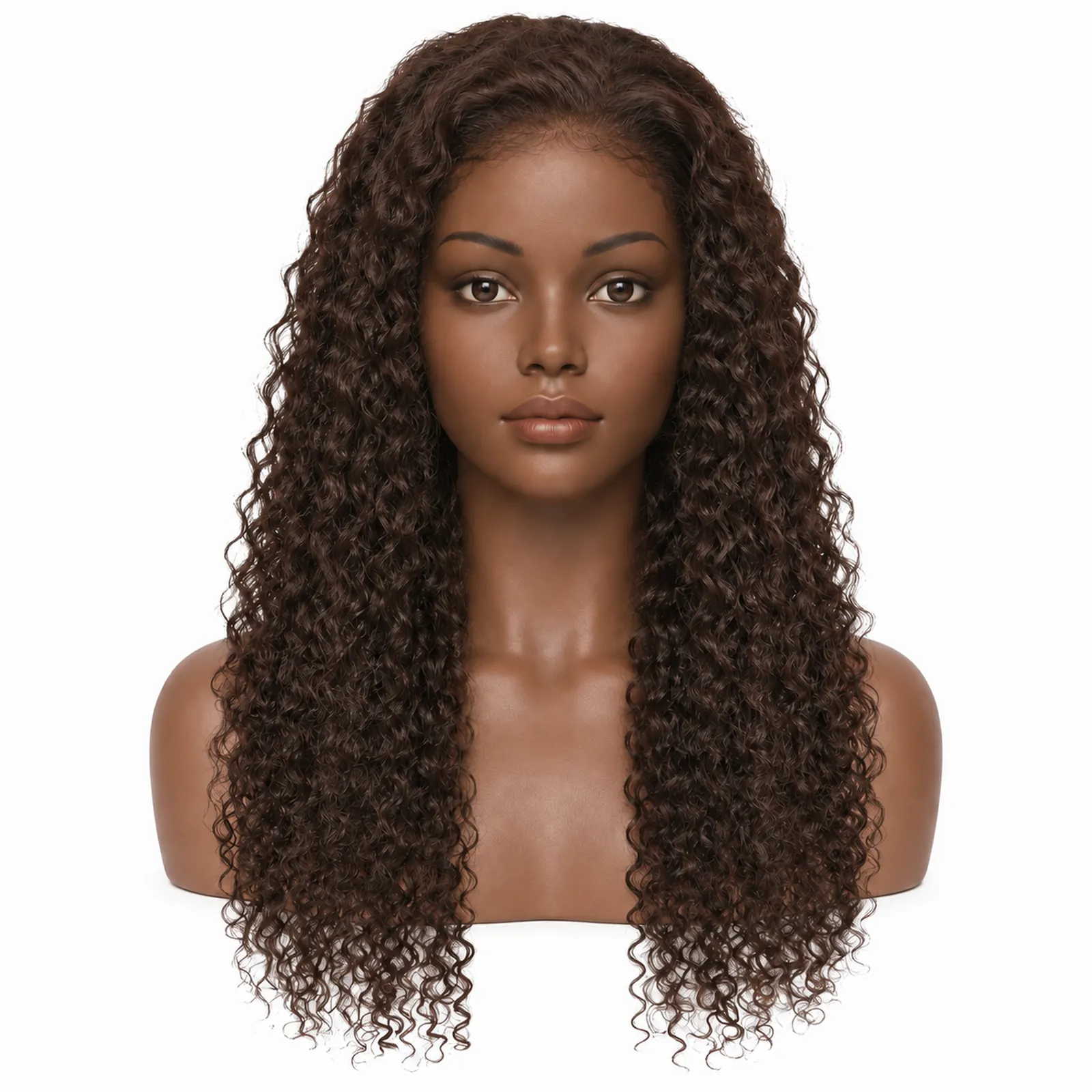
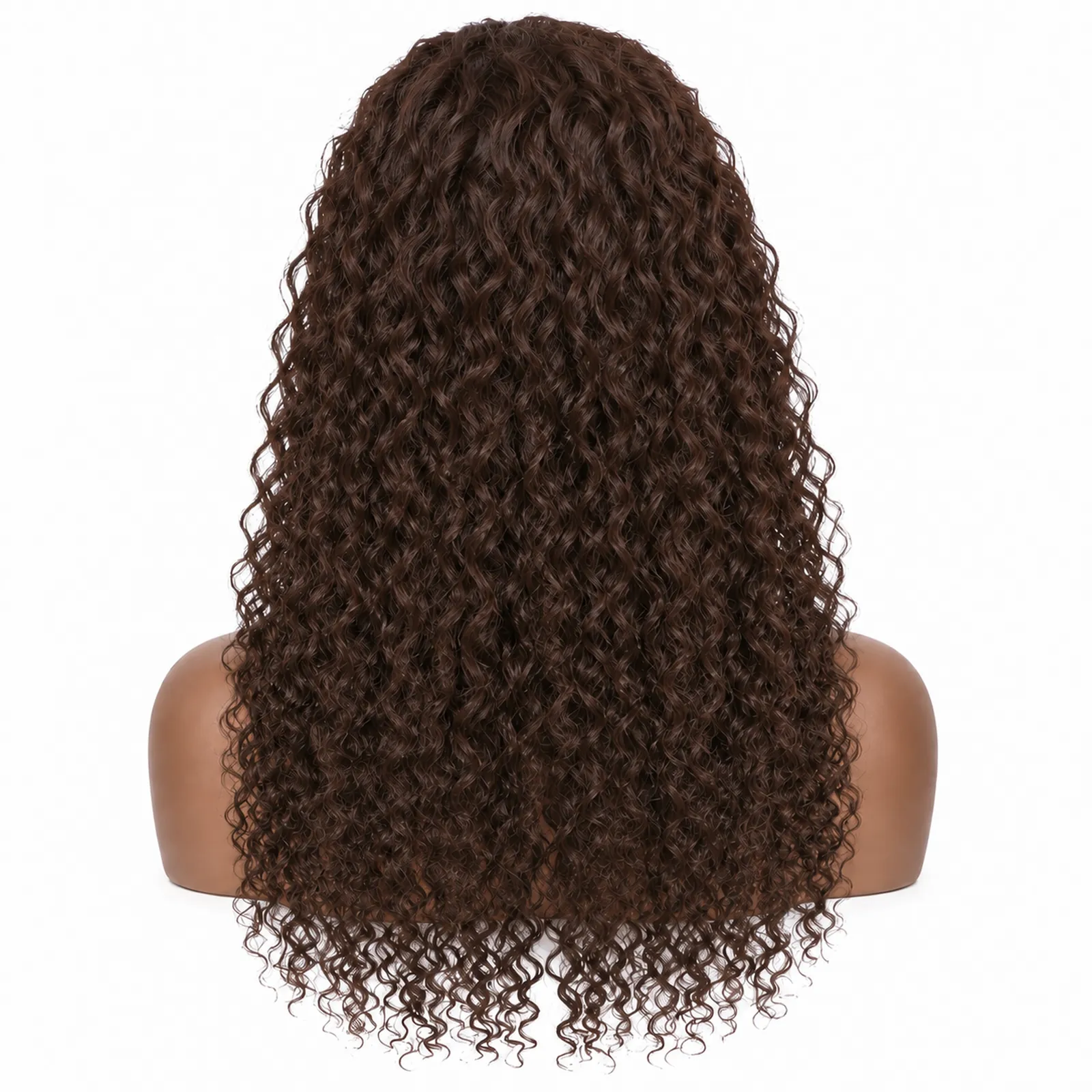
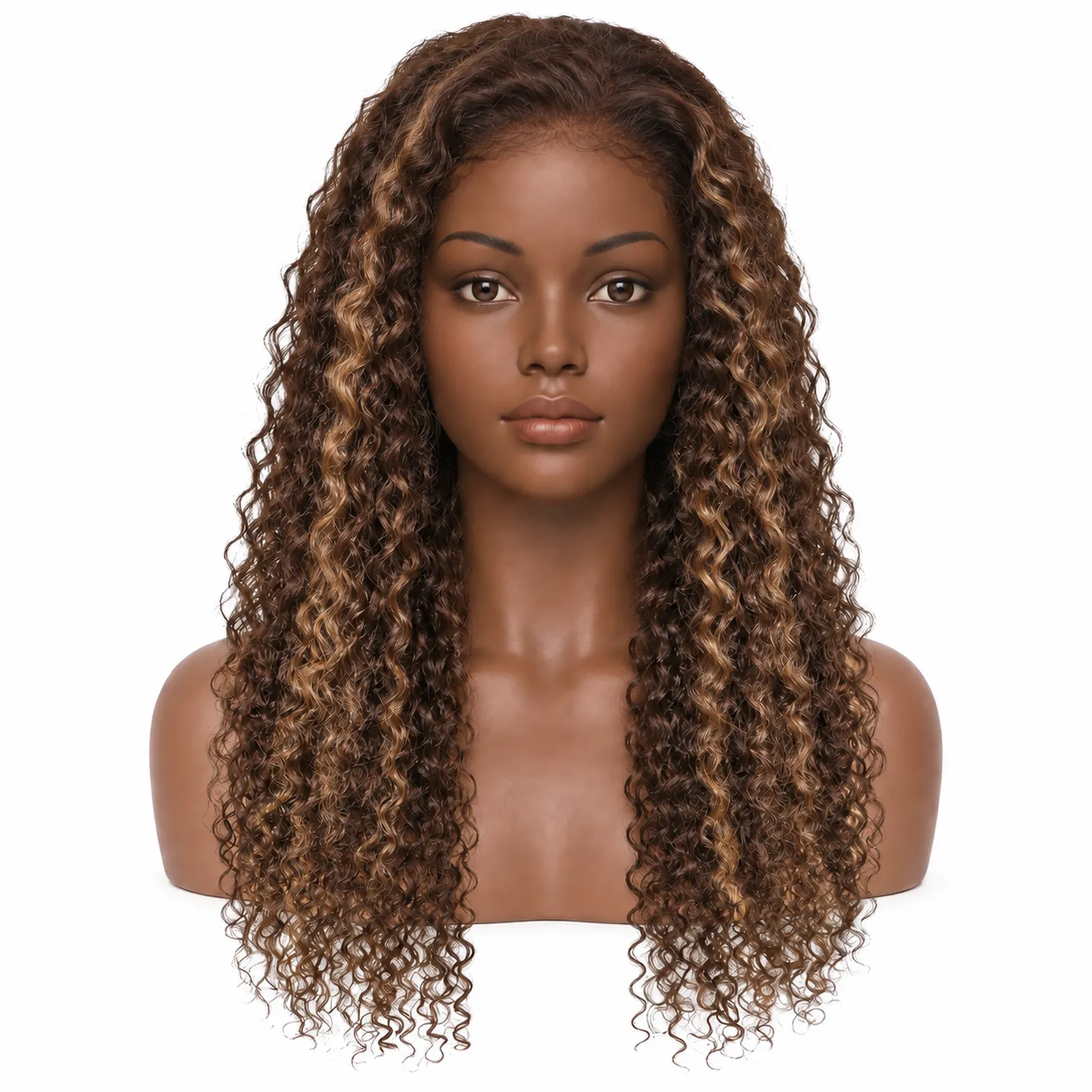
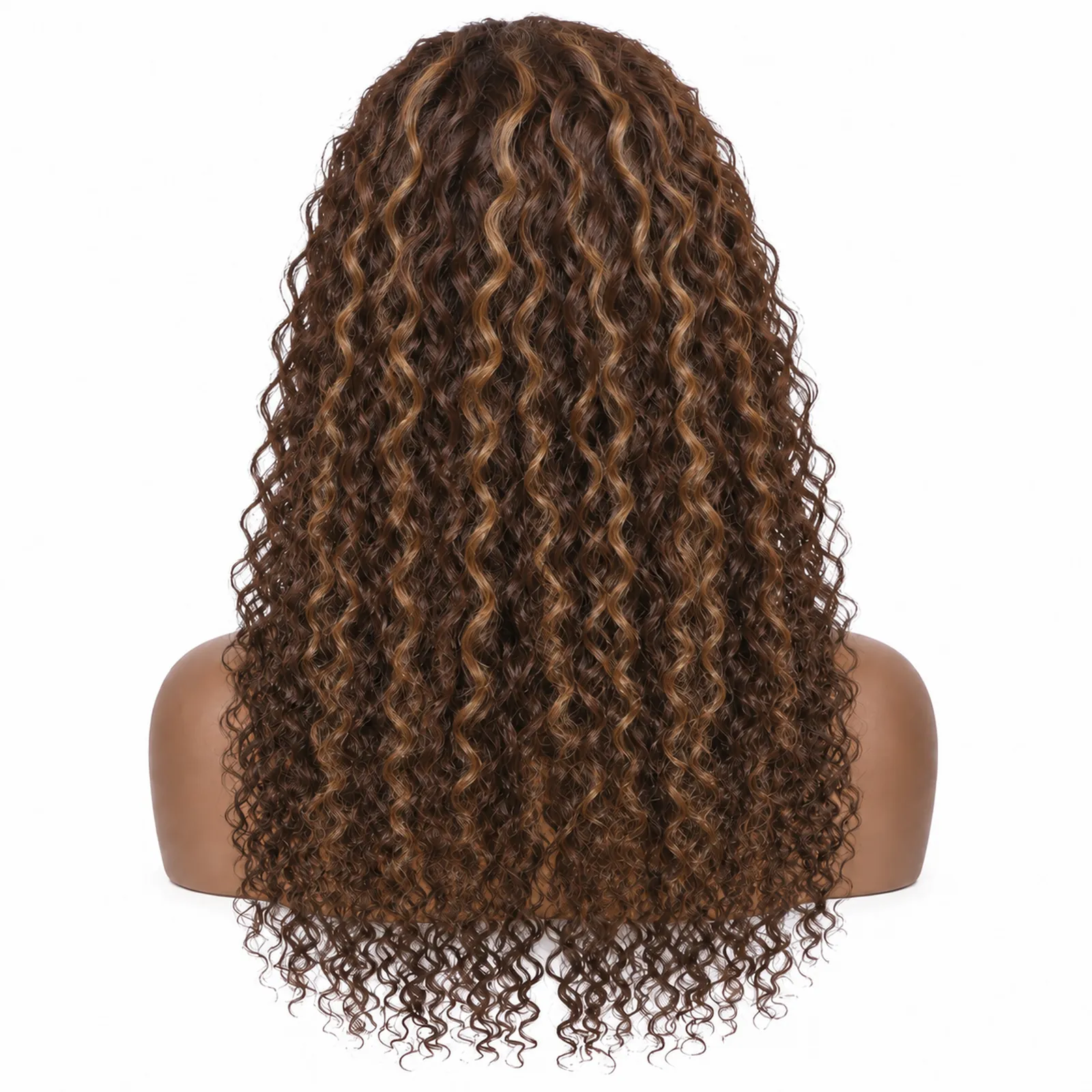
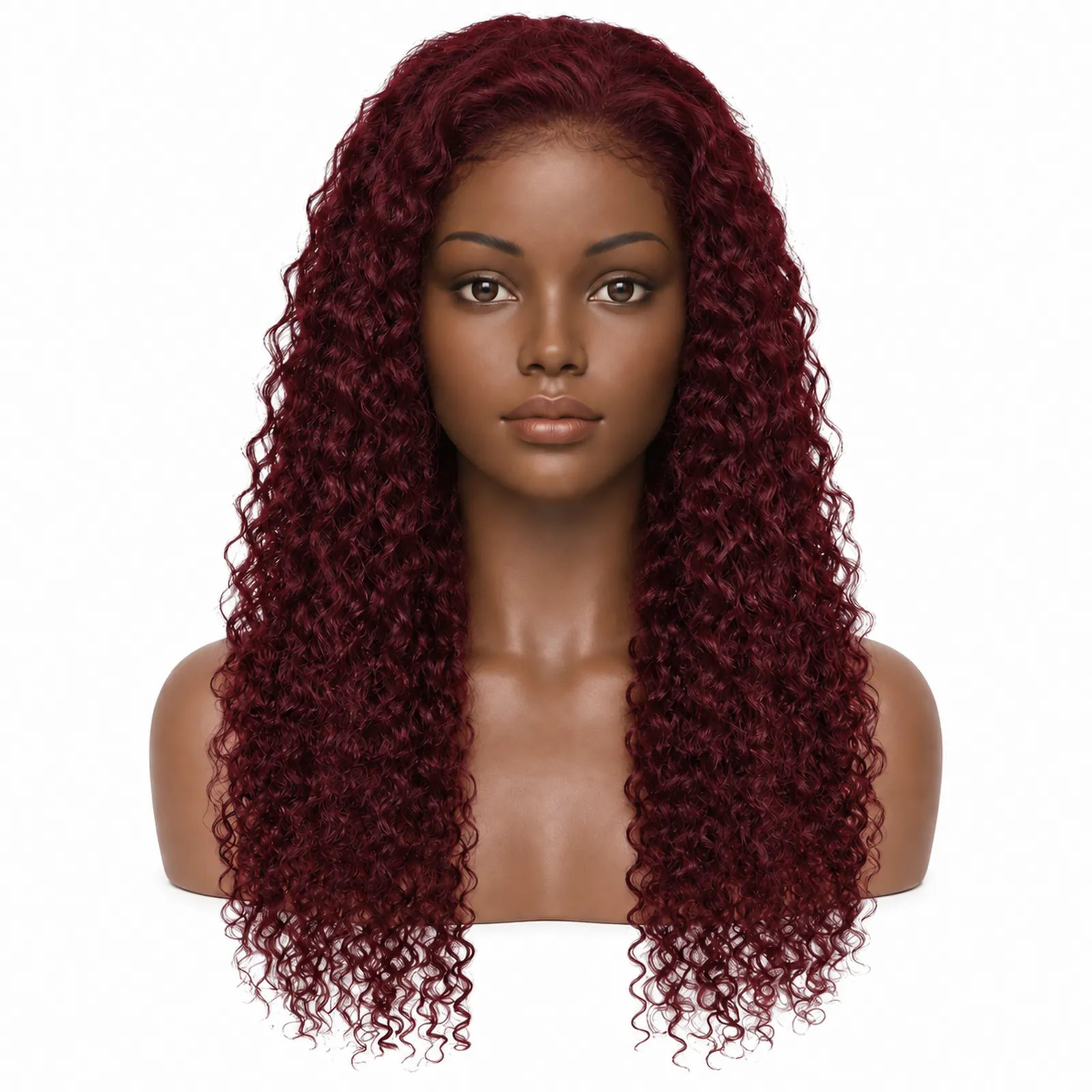
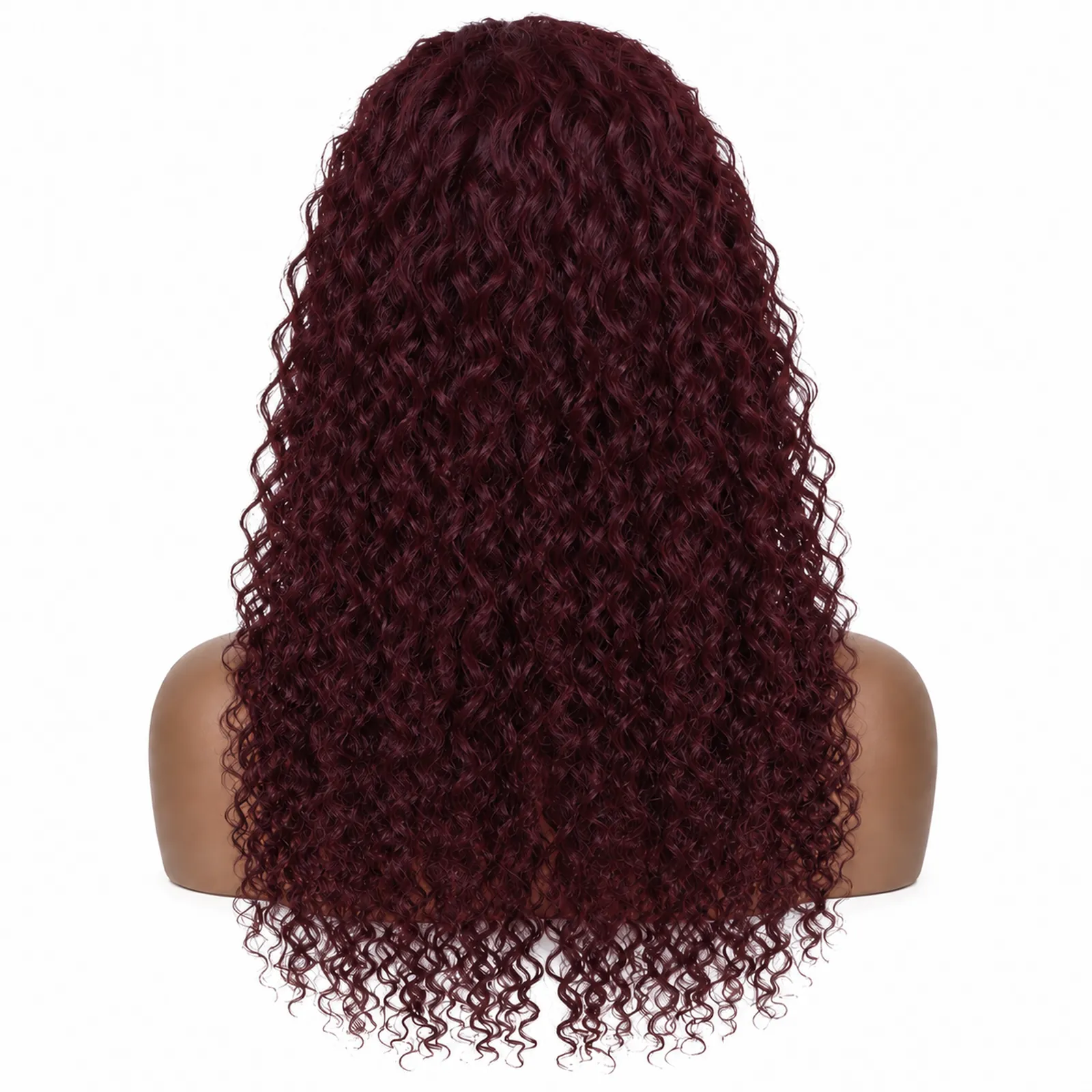
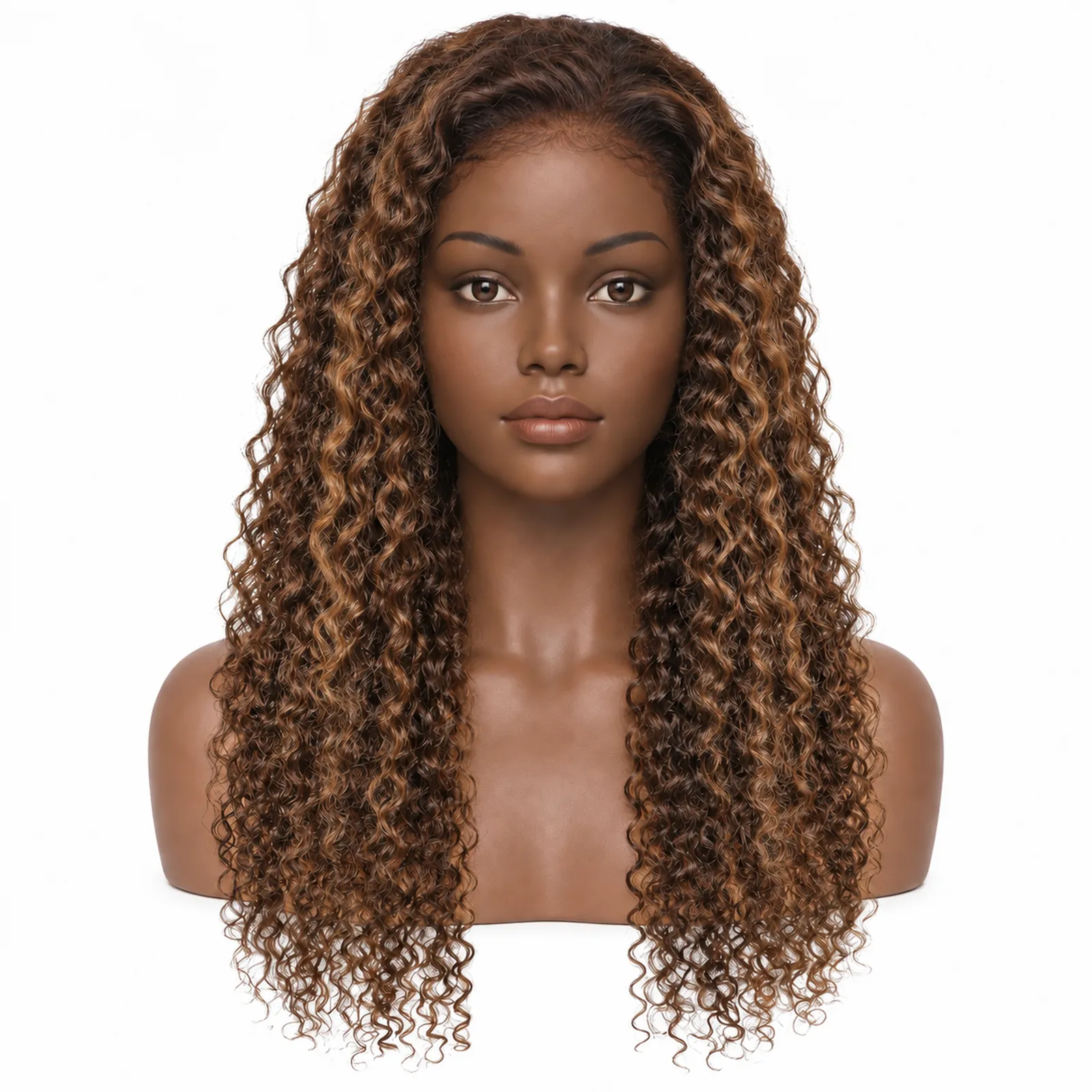
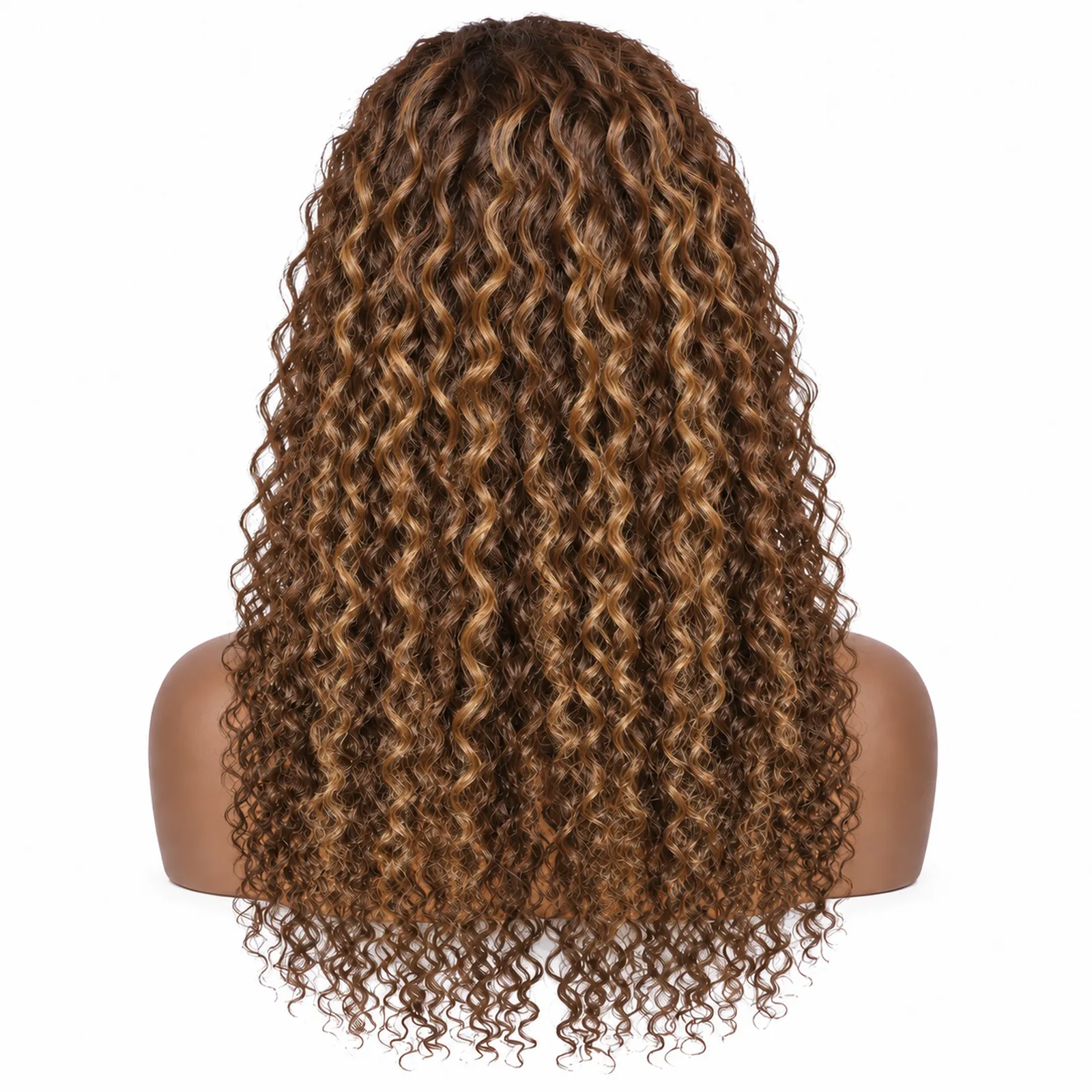
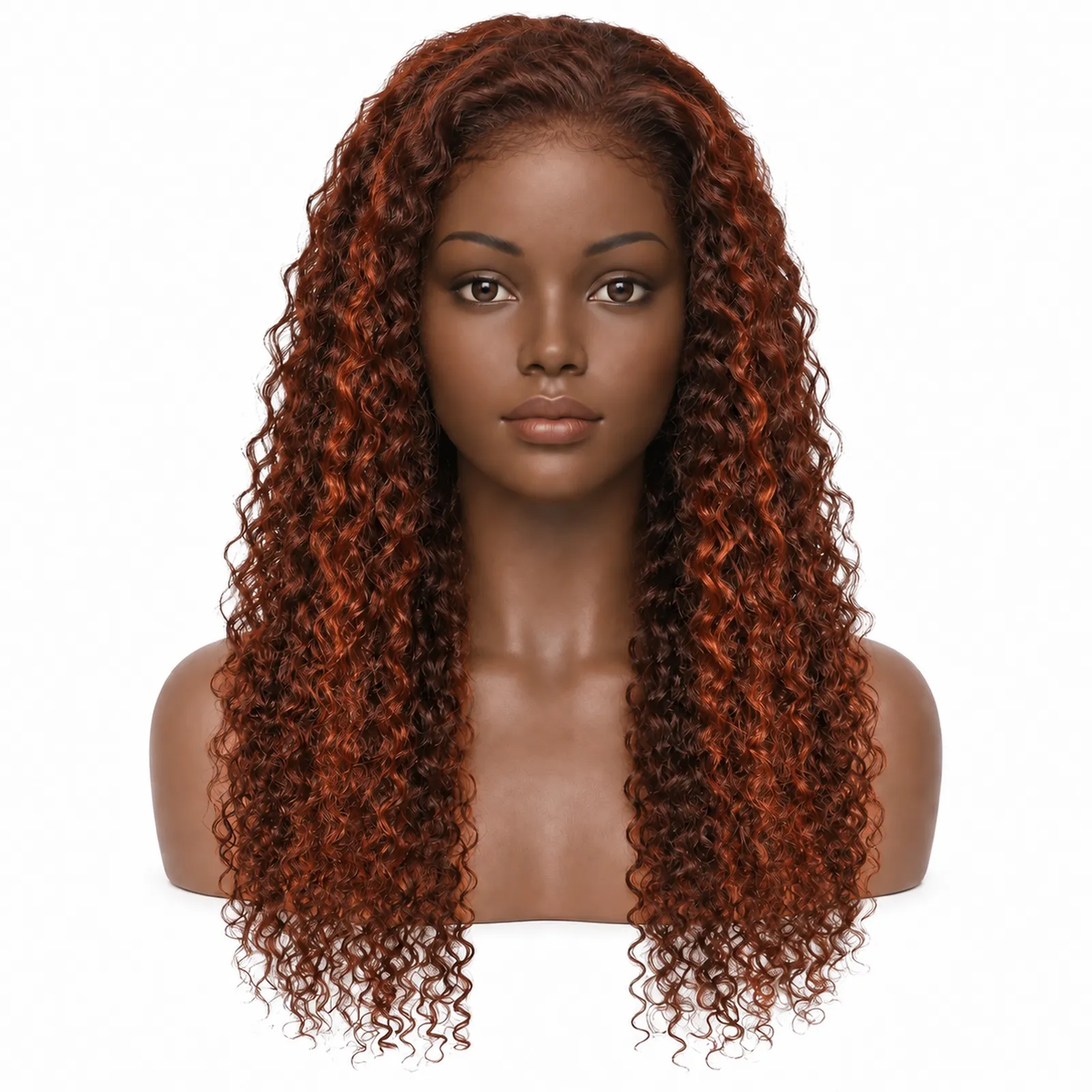
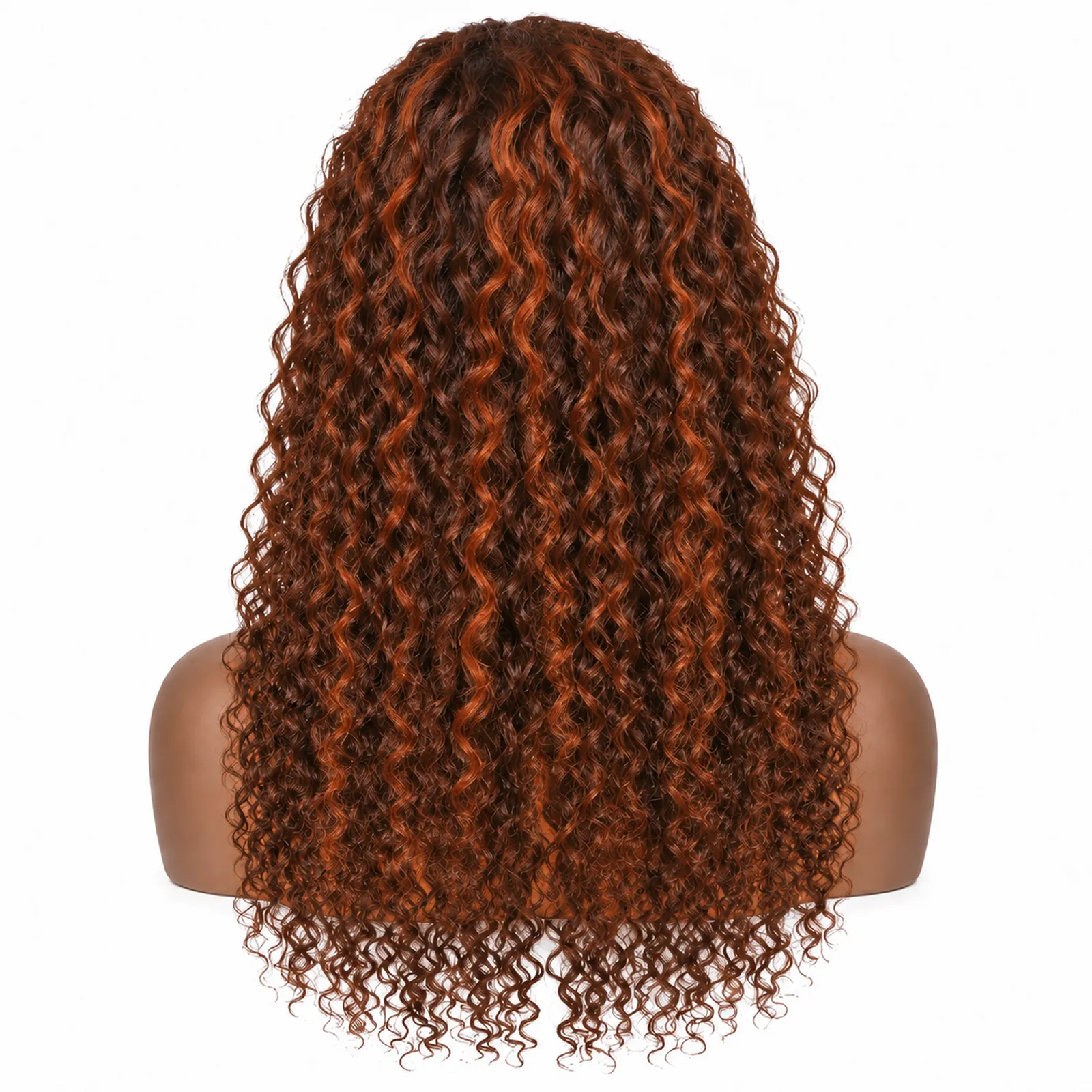
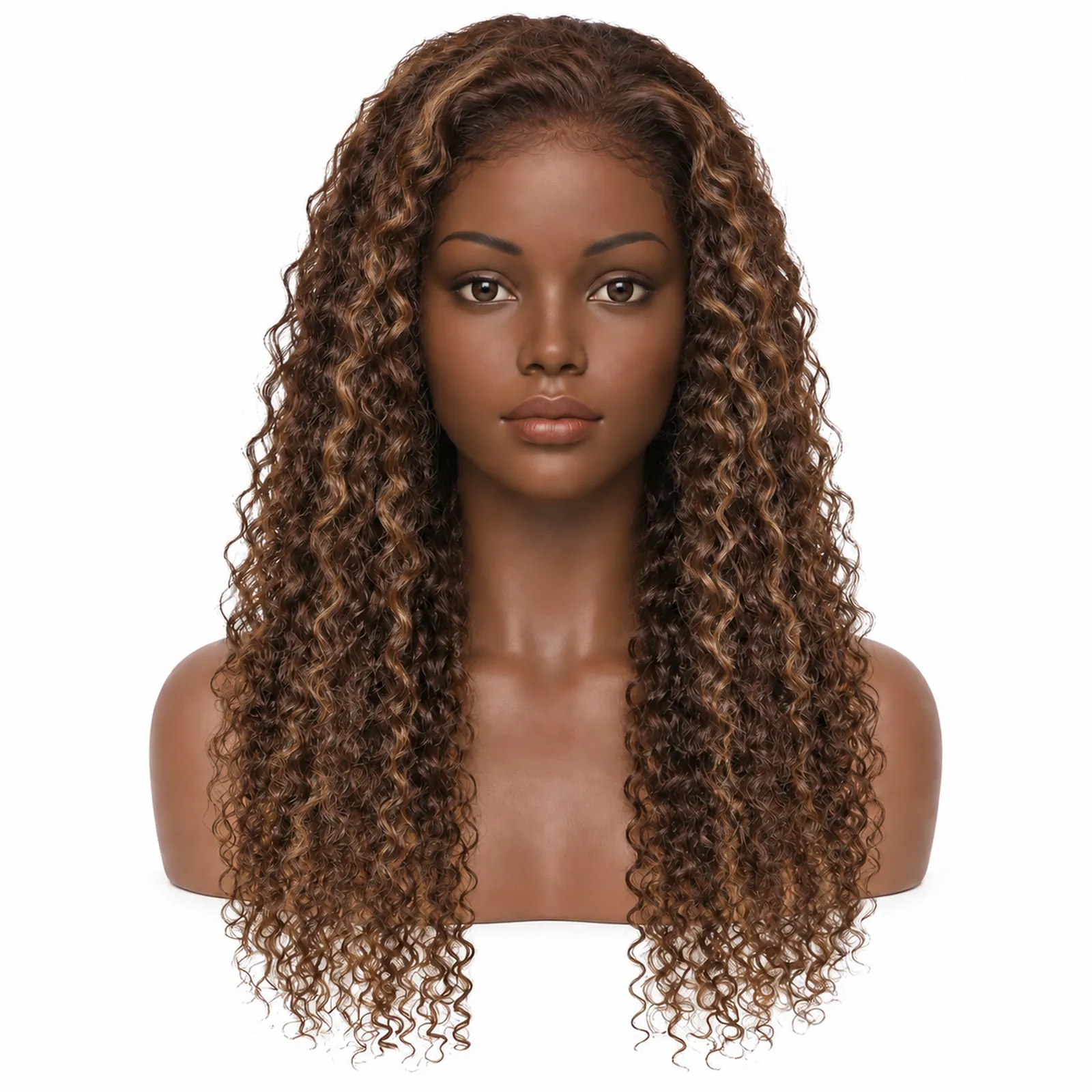
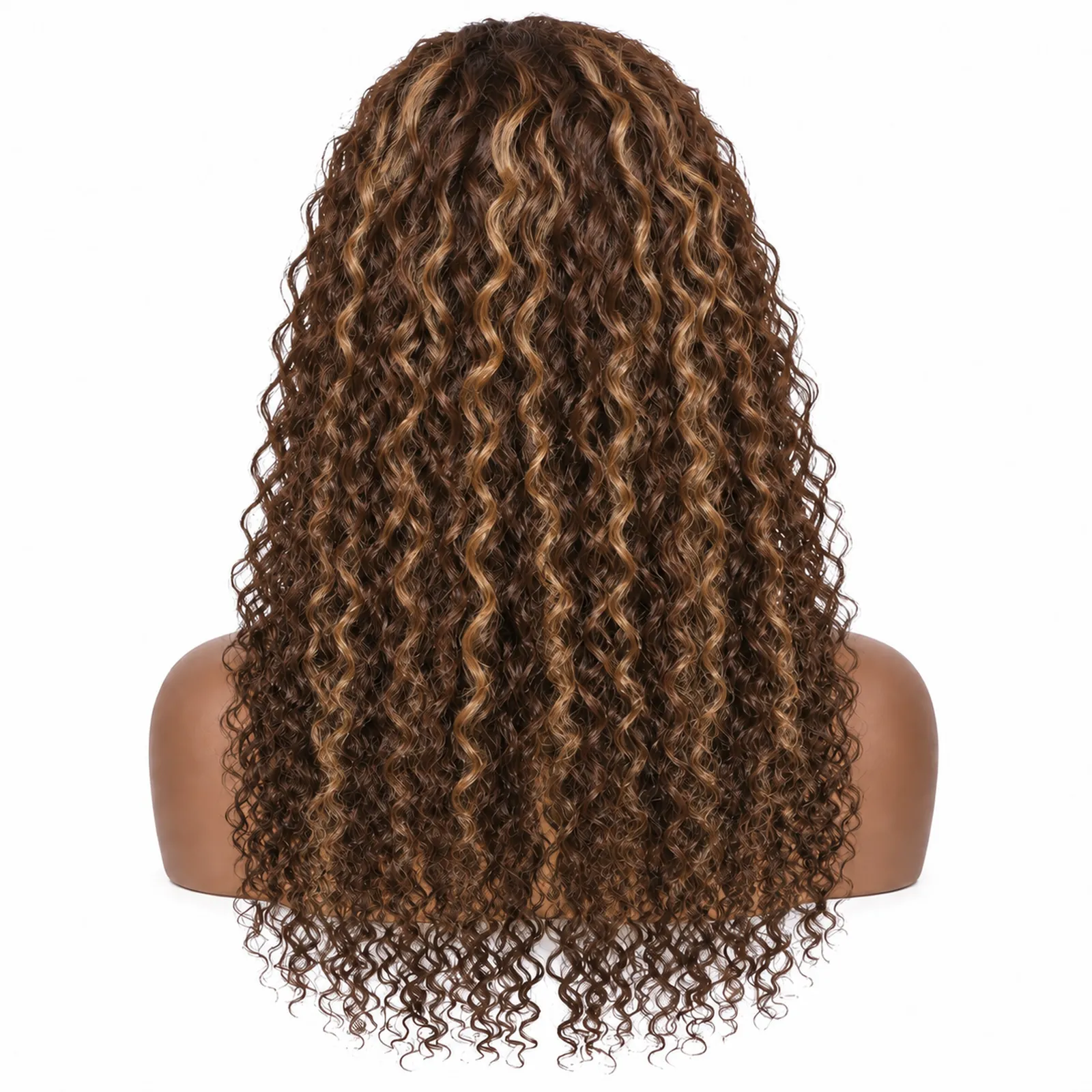
Water wave has defined, wet-look waves that sit between body wave and curly. It is a good pick for summer looks and for anyone who wants texture with low daily effort.
How it looks at each length
Water wave takes up roughly two to four inches of length, more at the ends, where the ripples coil tighter. At 16 inches (41 cm) it forms a full, rippled shape that sits at the shoulders or just above. From 20 to 24 inches (51 to 61 cm) the ripples lengthen under their own weight and reach from the collarbone to mid-chest. From 26 to 32 inches (66 to 81 cm) the top relaxes into longer waves, the ends stay tightly rippled and the hair falls to mid-back or lower.
Which density to choose
Water wave already looks full, so lower densities work well. 150% lets each ripple separate and keeps a light, natural look that dries faster. 180% is full enough for everyday wear at most lengths. 200% keeps long lengths from looking stringy at the ends. 250% and 300% give a big, dramatic wet-look mane, but the packed ripples knot more at the nape and take longer to dry and detangle.
How to style it
It looks best worn loose with a middle or side part and a little mousse to define the pattern.
- Wet look: while the hair is soaking wet, rake in a curl cream, glaze a light gel over it and let it air-dry without touching it.
- Diffused volume: dry it upside down on low heat with a diffuser, cupping the ends, for lift at the roots and bouncy ripples.
- High puff: gather the hair at the crown with a wide satin scrunchie and let the ripples fall around it; the texture hides the band.
- Stretched waves: twist damp hair into large two-strand twists, let them dry and unravel them for longer, looser waves that show more length.
- Side-swept with laid edges: part deeply on one side, smooth the baby hairs with edge control and tuck the short side behind the ear.
Care tips
Refresh the waves with a water-and-conditioner spray between washes and detangle only with fingers or a wide-tooth comb.
Common mistakes and how to avoid them
- Brushing or combing it once it is dry: the ripples break into a frizzy cloud. Detangle and style only while the hair is damp, then leave it alone once dry.
- Blow-drying it on high heat without a diffuser: the air blows the ripples apart and dries them out. Let it air-dry, or diffuse on low heat, cupping the ends.
- Rubbing it with a towel after washing: that roughs up the ripples and tangles the nape. Squeeze the water out with a microfiber towel or a cotton T-shirt instead.
How it compares
Water wave sits between the smooth S-curves of body wave and the tight, uniform waves of deep wave. Its ripples are smaller and less regular than loose deep wave, with a wet, beachy look when damp. It shrinks more than body wave and needs more moisture, but less shaping than deep wave. Choose water wave for relaxed, textured hair that reads almost curly, and loose deep wave if you want rounder, more uniform waves.
Questions about these wigs
What is a water wave wig?
A water wave wig has small, irregular ripples that look like hair drying after a swim: fuller than body wave and less uniform than deep wave. The pattern is set into the hair, so it comes back every time the hair gets wet. It looks most defined when damp and turns softer and fuller as it dries.
Can you straighten a water wave wig?
Yes, but it takes more work than body wave. Blow-dry it straight first in small sections with a paddle brush, then flat iron it at moderate heat, up to about 180 °C (350 °F), with a heat protectant. The pattern returns when you wash it and let it air-dry. Straighten it only now and then: frequent heat loosens the ripples, and they never set quite the same again.
How do you style a water wave wig?
Style it wet, then leave it alone. Rake a curl cream through soaking-wet hair, glaze a little gel on top and scrunch upward. Once it is completely dry, scrunch out the stiff gel cast with your hands. For volume, lift the roots with a pick; to wear it up, a high puff or a half-up puff keeps the ripples on show.
How do you wash a water wave wig?
Detangle it in sections first, then wash with a squeeze-and-rinse motion instead of rubbing. Work a sulfate-free shampoo down the hair, squeeze it through the lengths and rinse. Condition generously and comb it through with a wide-tooth comb while the conditioner is in. Rinse with cool water and, while the hair is still dripping, apply a leave-in and let it air-dry on a stand.
What do you use on a water wave wig?
Water-based products: a light leave-in conditioner for moisture, a curl cream to define the ripples and a light gel or mousse to hold them. A spray bottle with water and a little leave-in revives the pattern between washes. Skip heavy oils, butters and silicone-heavy serums, which weigh the ripples down, collect lint and build up at the nape.
How do you take care of a water wave wig?
Keep it moist and handle it as little as possible. Mist and scrunch it every morning, sleep with it gathered loosely on top under a satin bonnet, and finger-detangle the nape every few wears, before knots form. Store it on a stand rather than folded. With this routine a water wave wig stays defined and lasts about one to two years.
How do you keep a water wave wig from tangling?
Keep it damp while you detangle, work in sections and protect the nape. Dry ripples catch on each other, so never comb it dry: spray the section with water and leave-in, hold it above the knot and work from the ends up with your fingers, then a wide-tooth comb. Most knots start at the nape, where the hair rubs against collars and pillows.
What does a Water Wave wig look like?
Water wave has defined, wet-look waves that sit between body wave and curly.
Who is Water Wave best for?
It is a good pick for summer looks and for anyone who wants texture with low daily effort.