Yaki Straight Wig
7 wigs
Look and feel
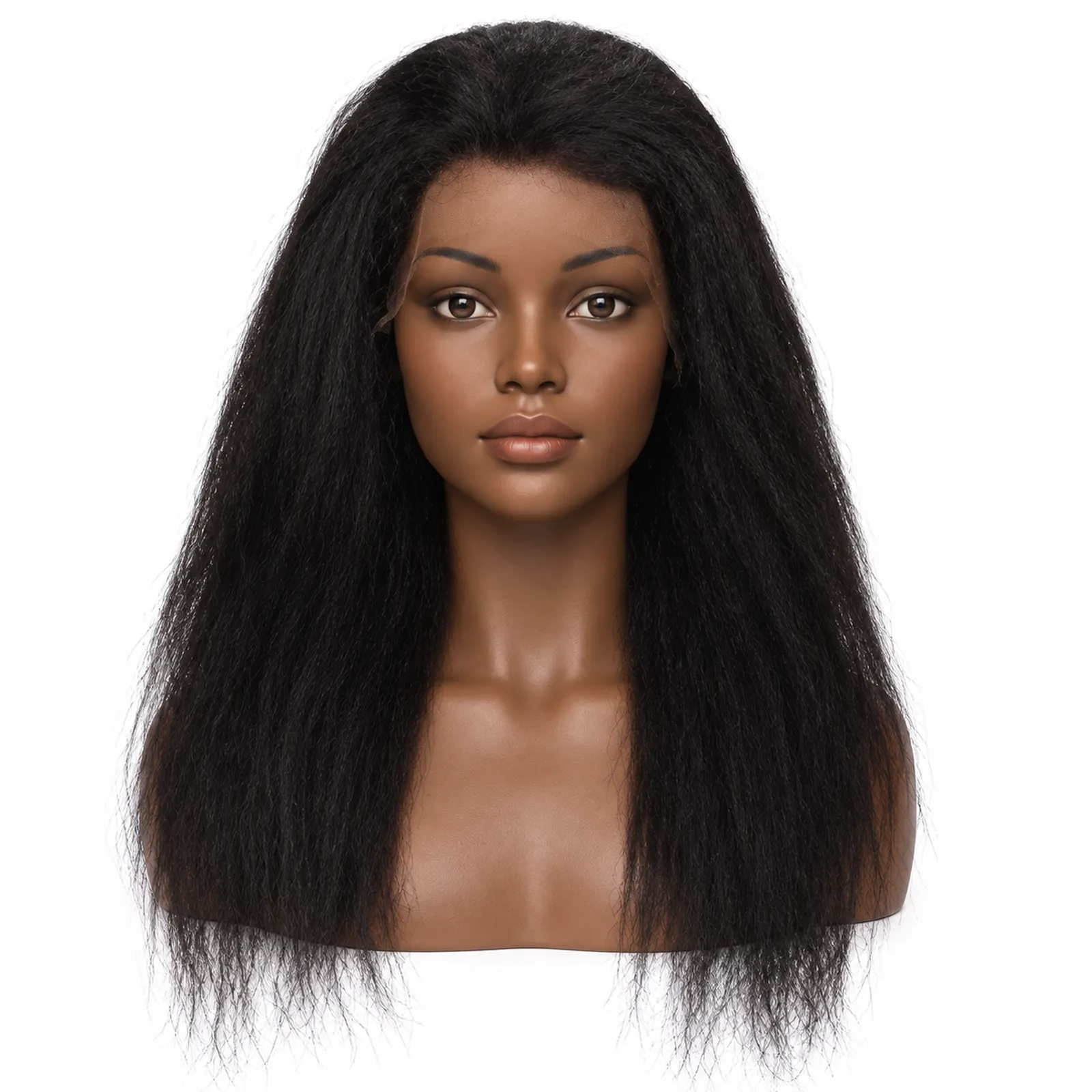
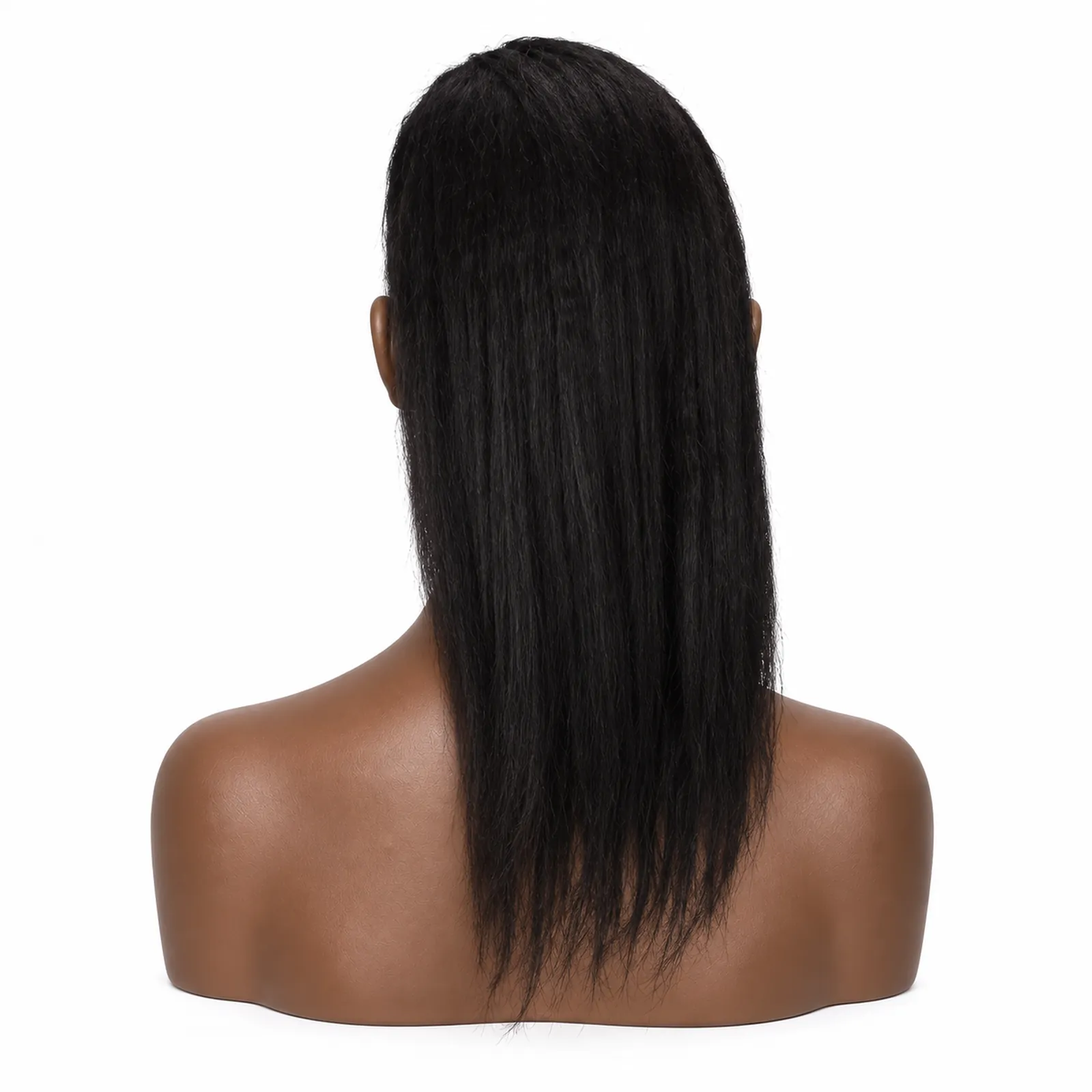
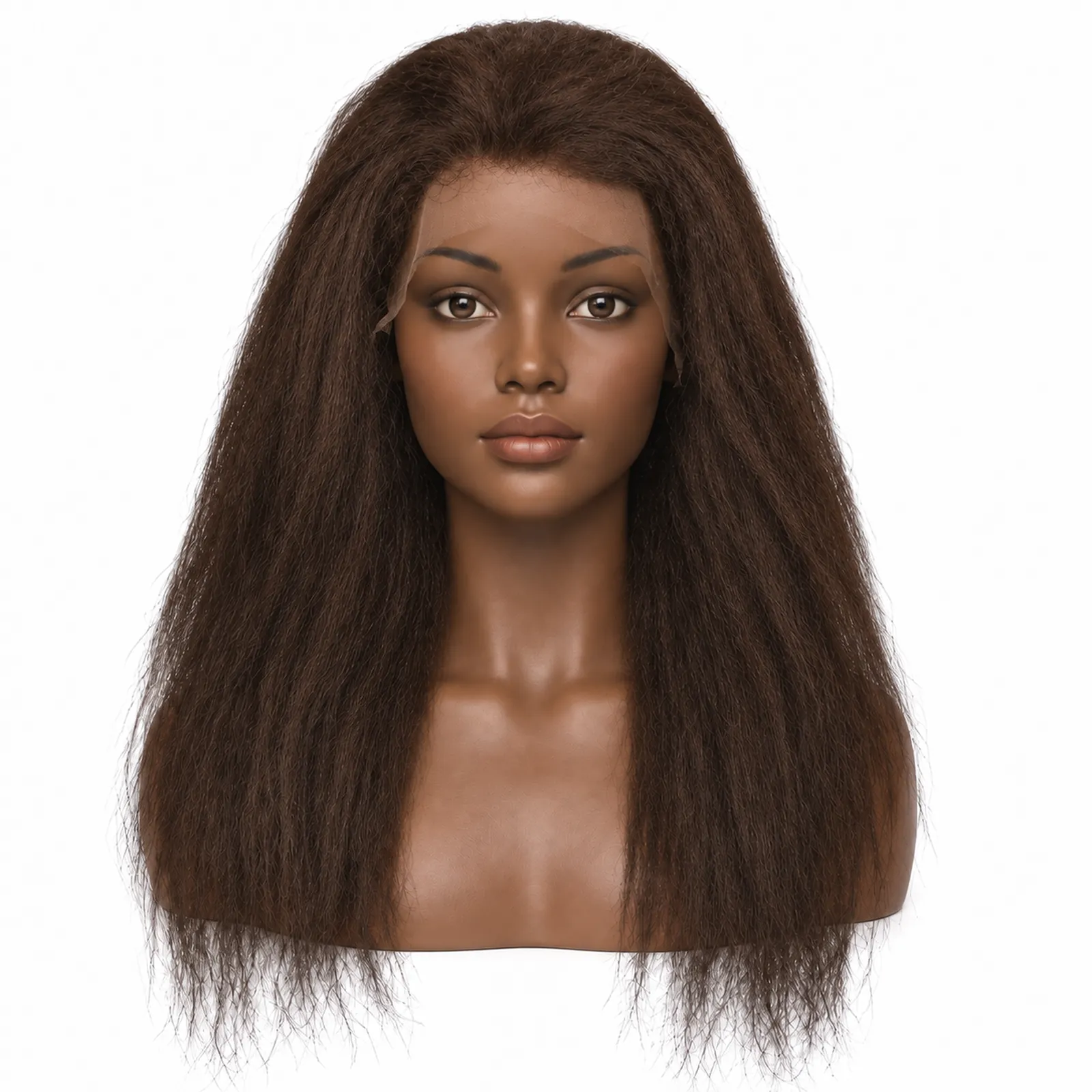
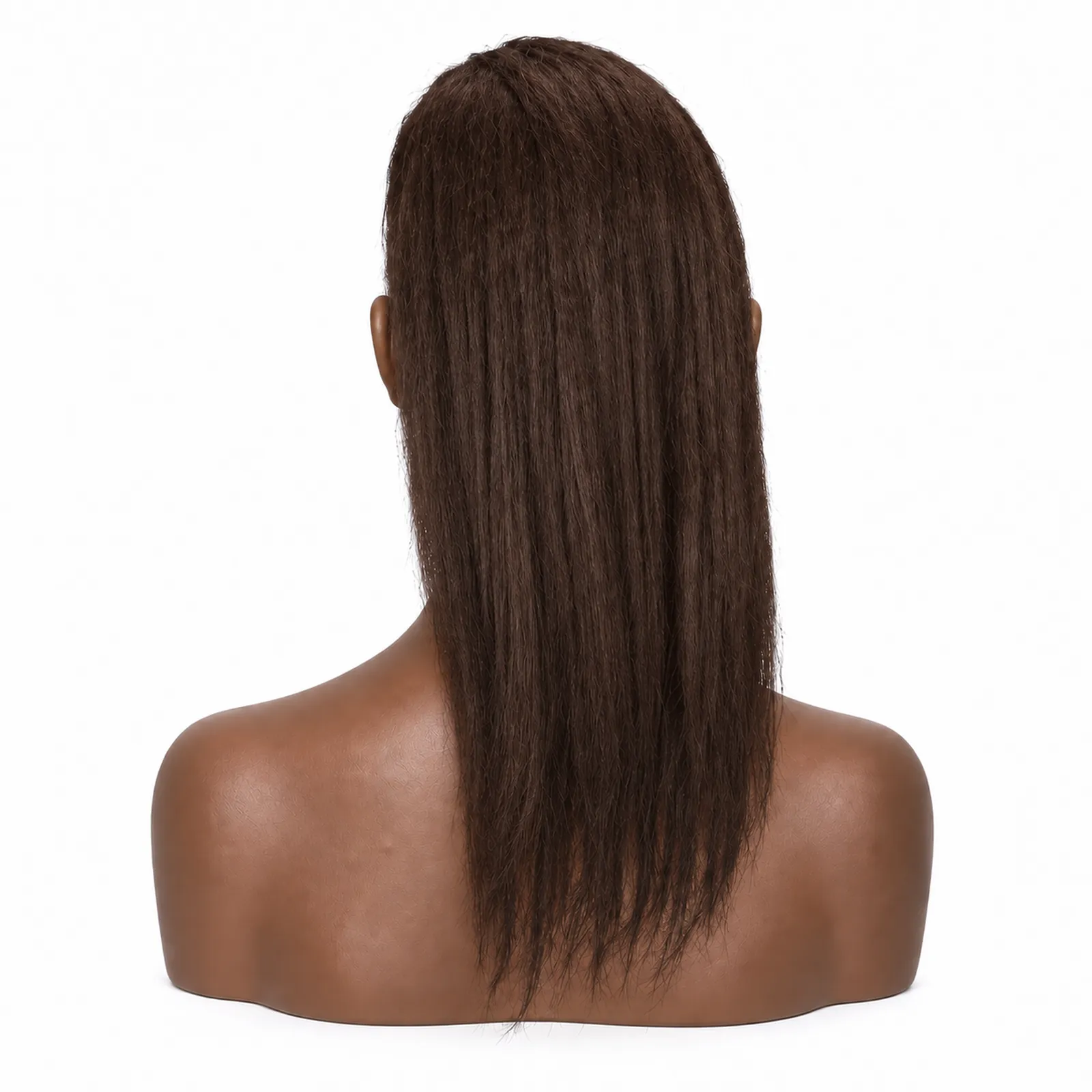
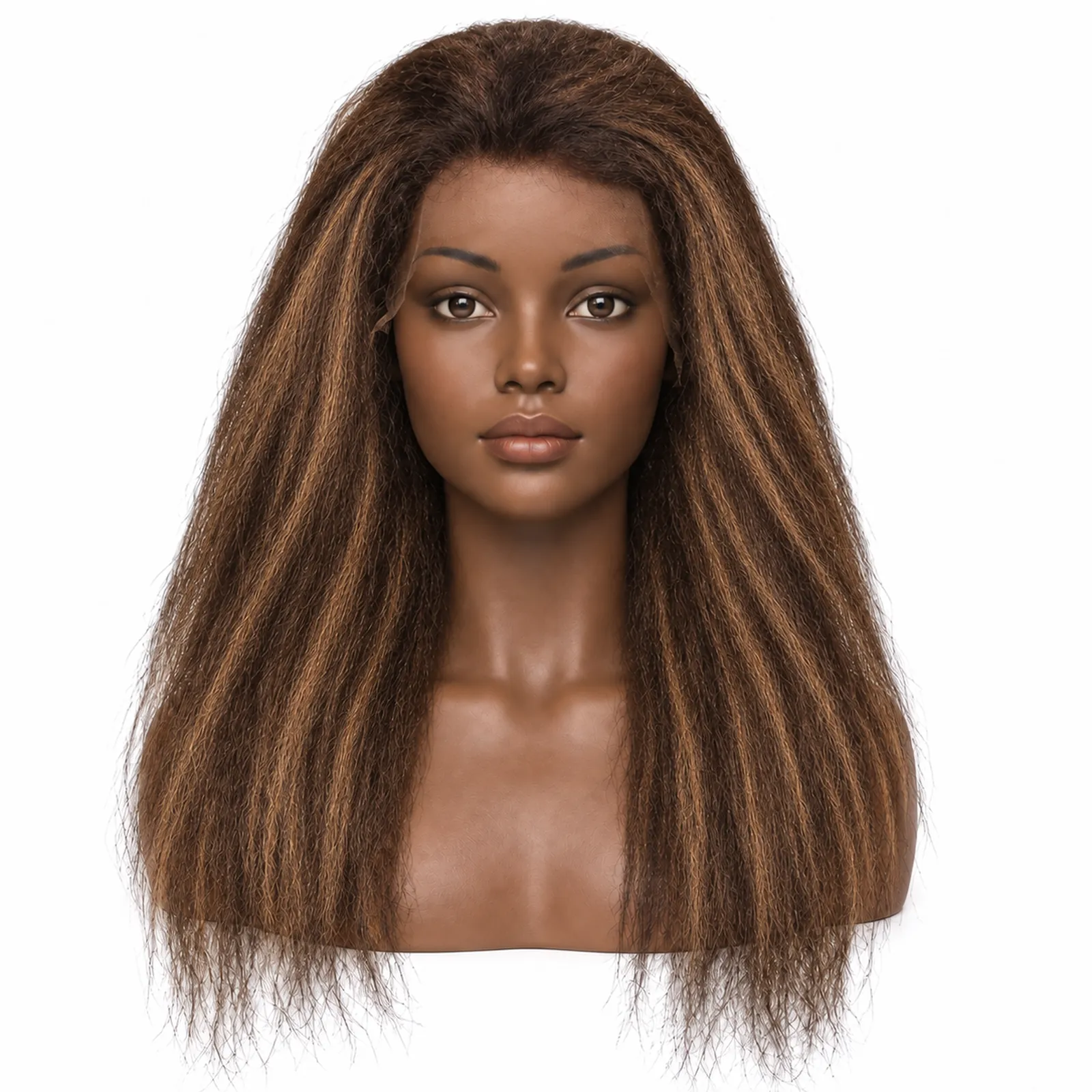
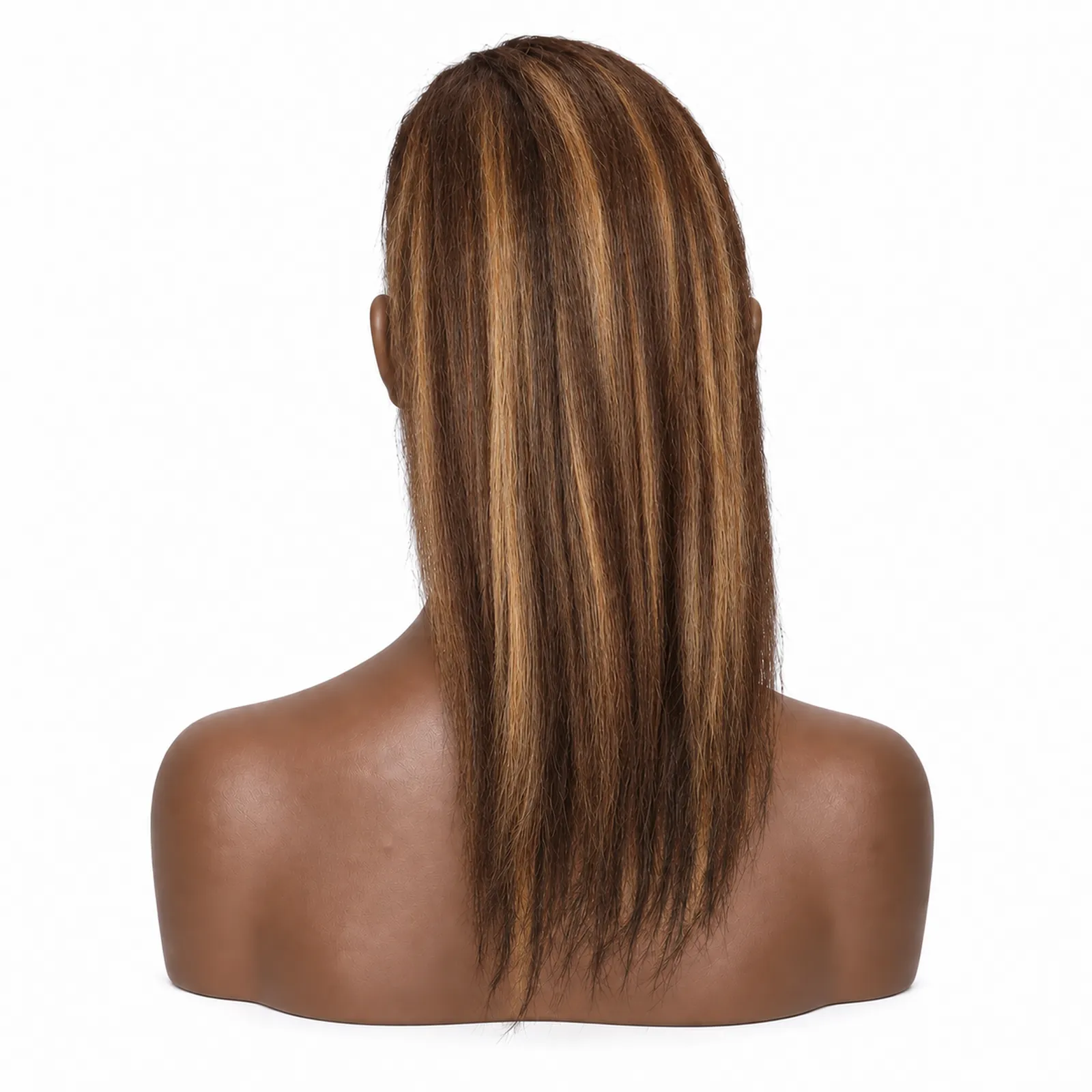
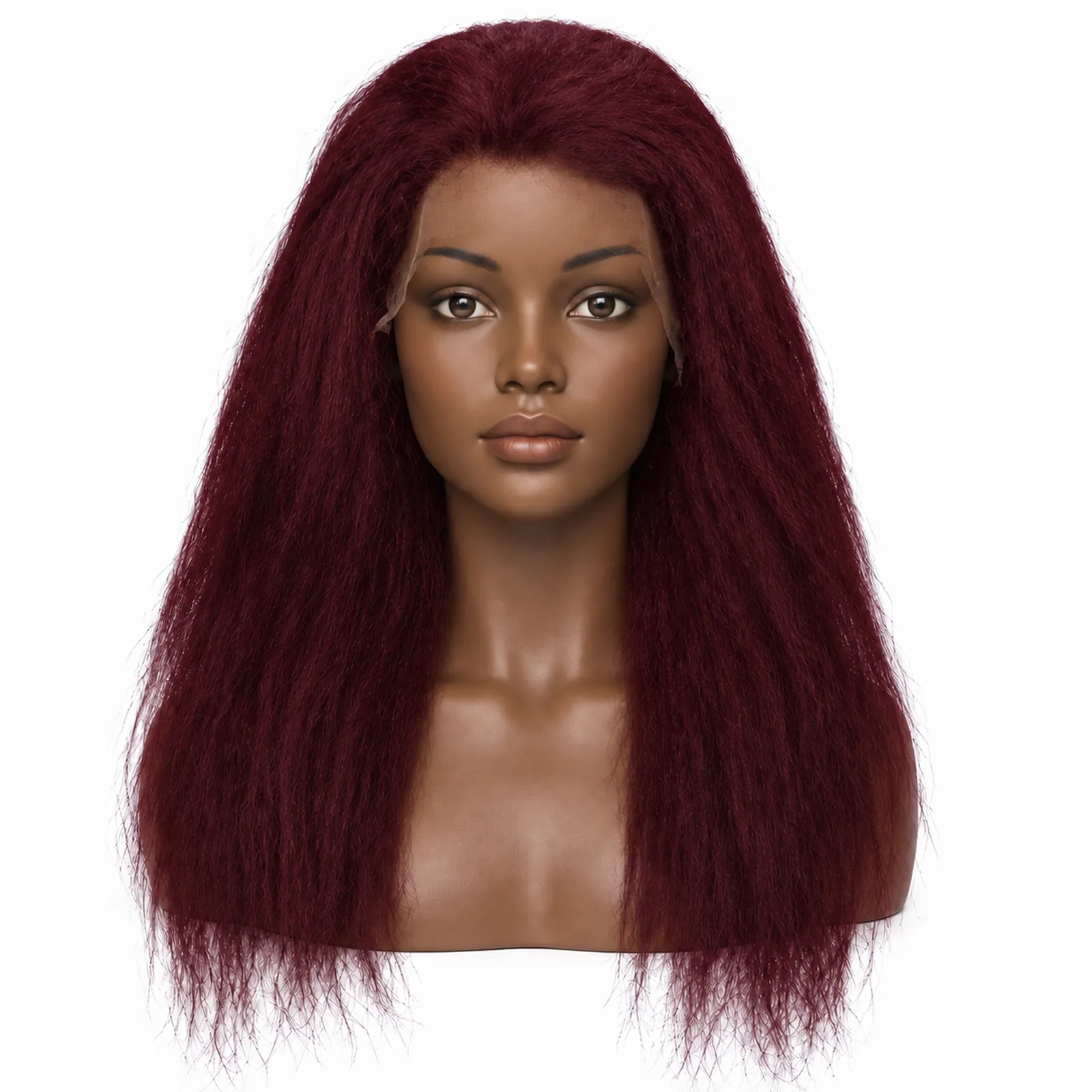
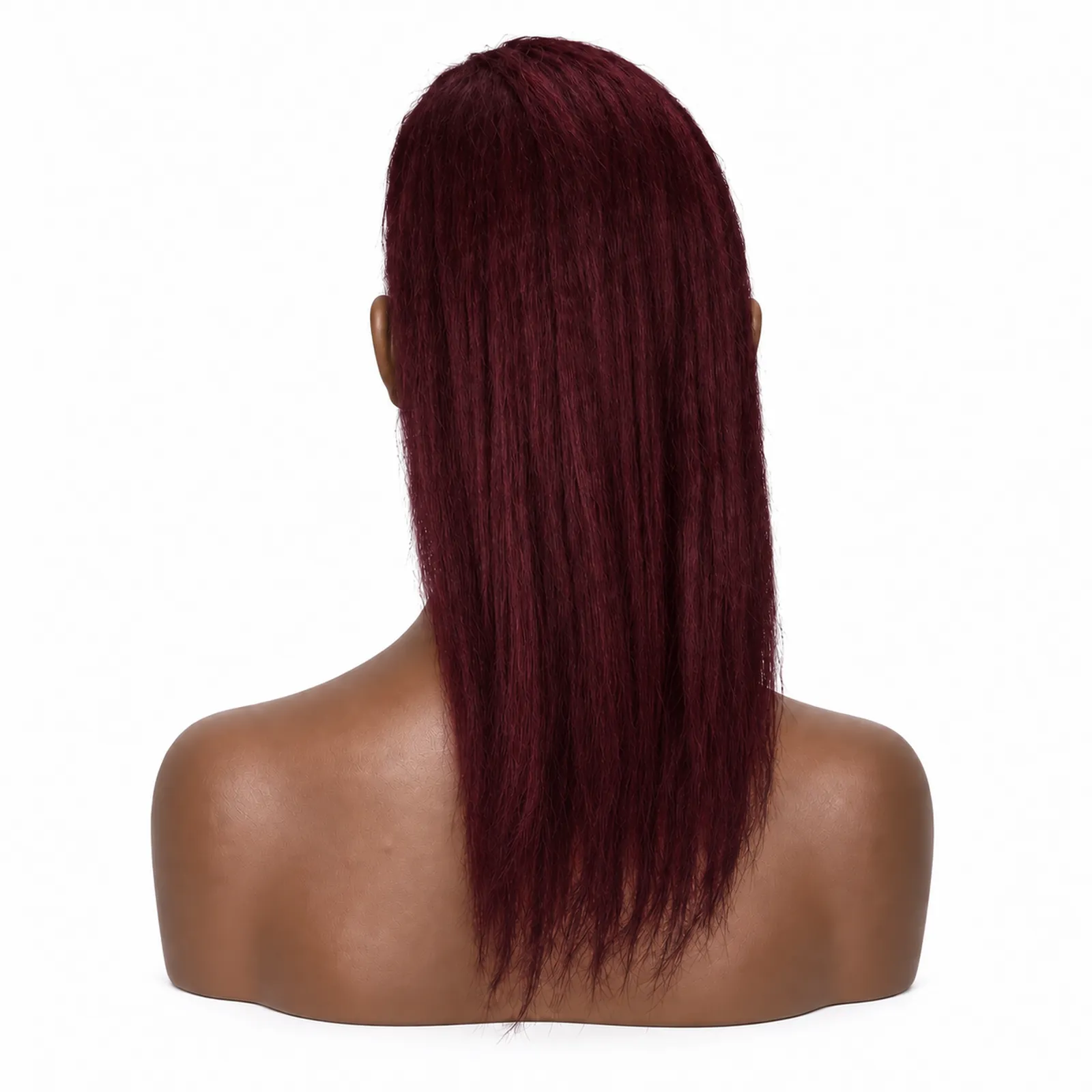
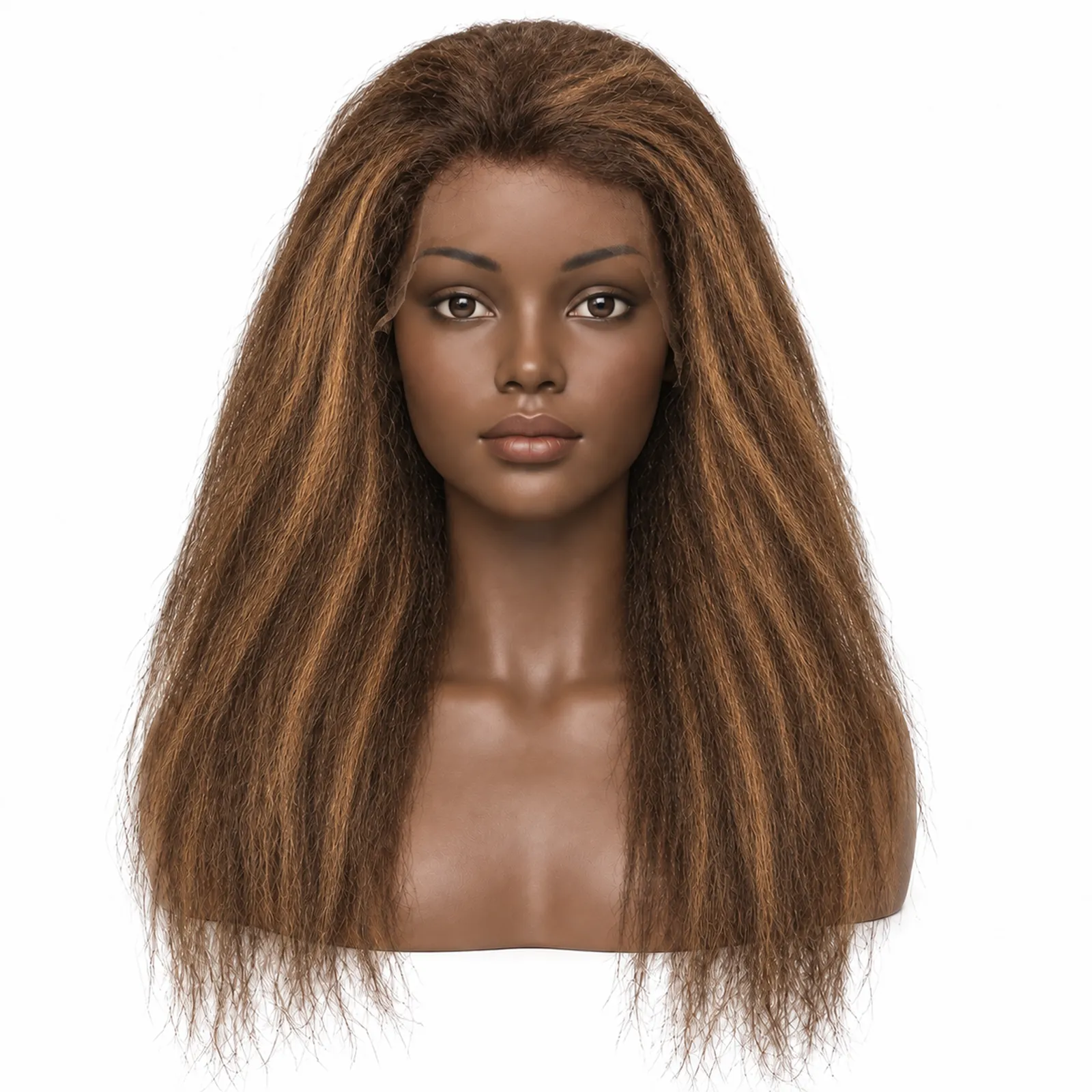
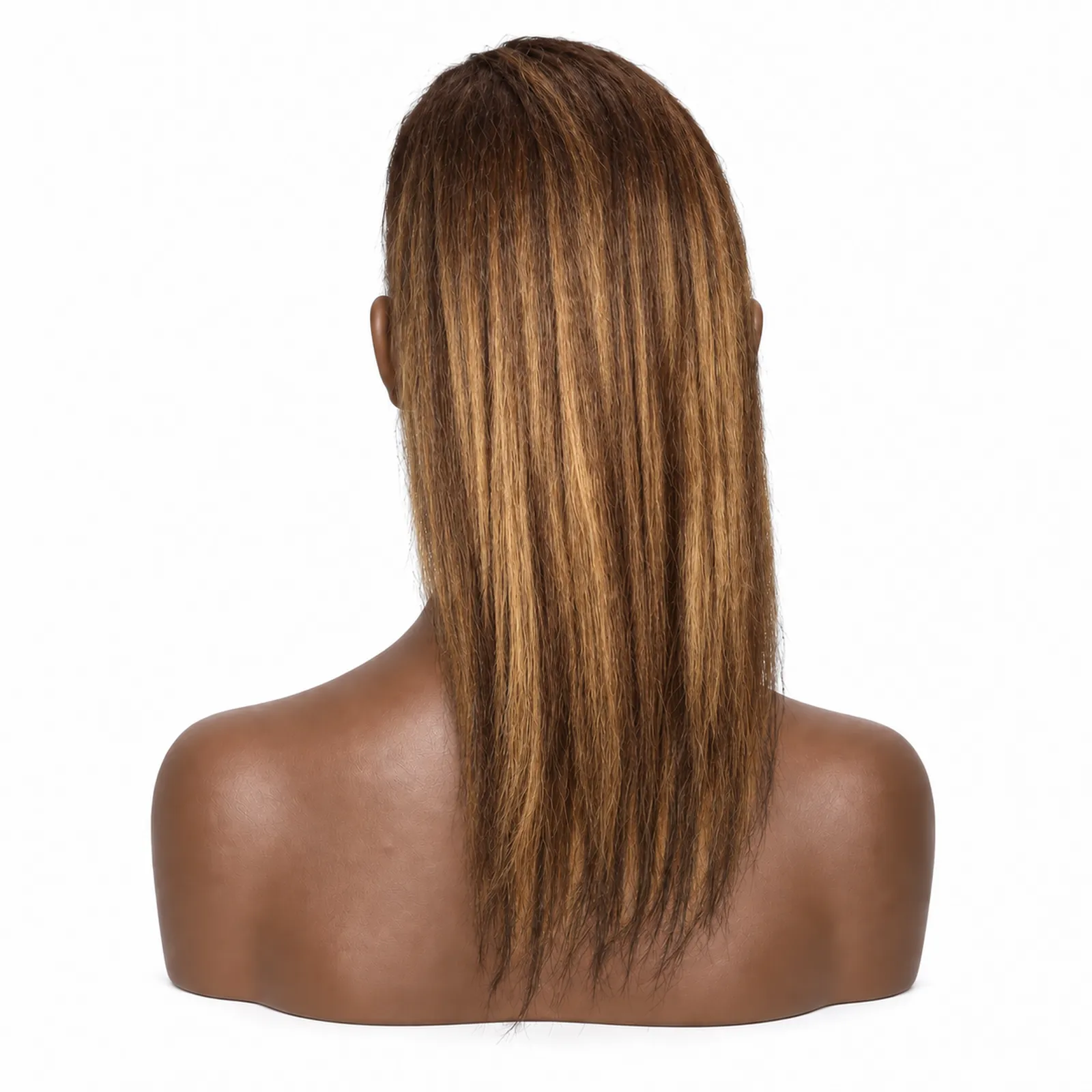
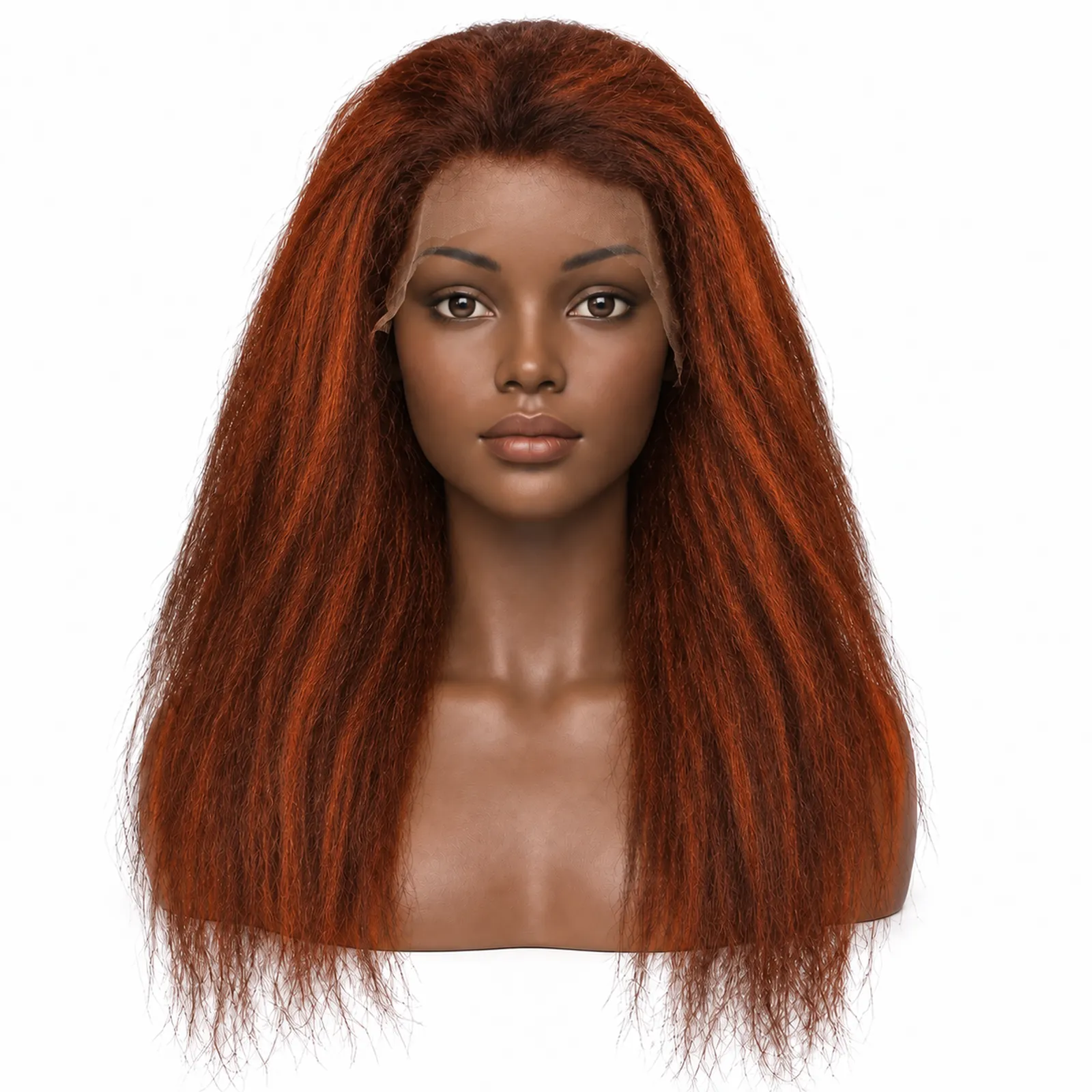
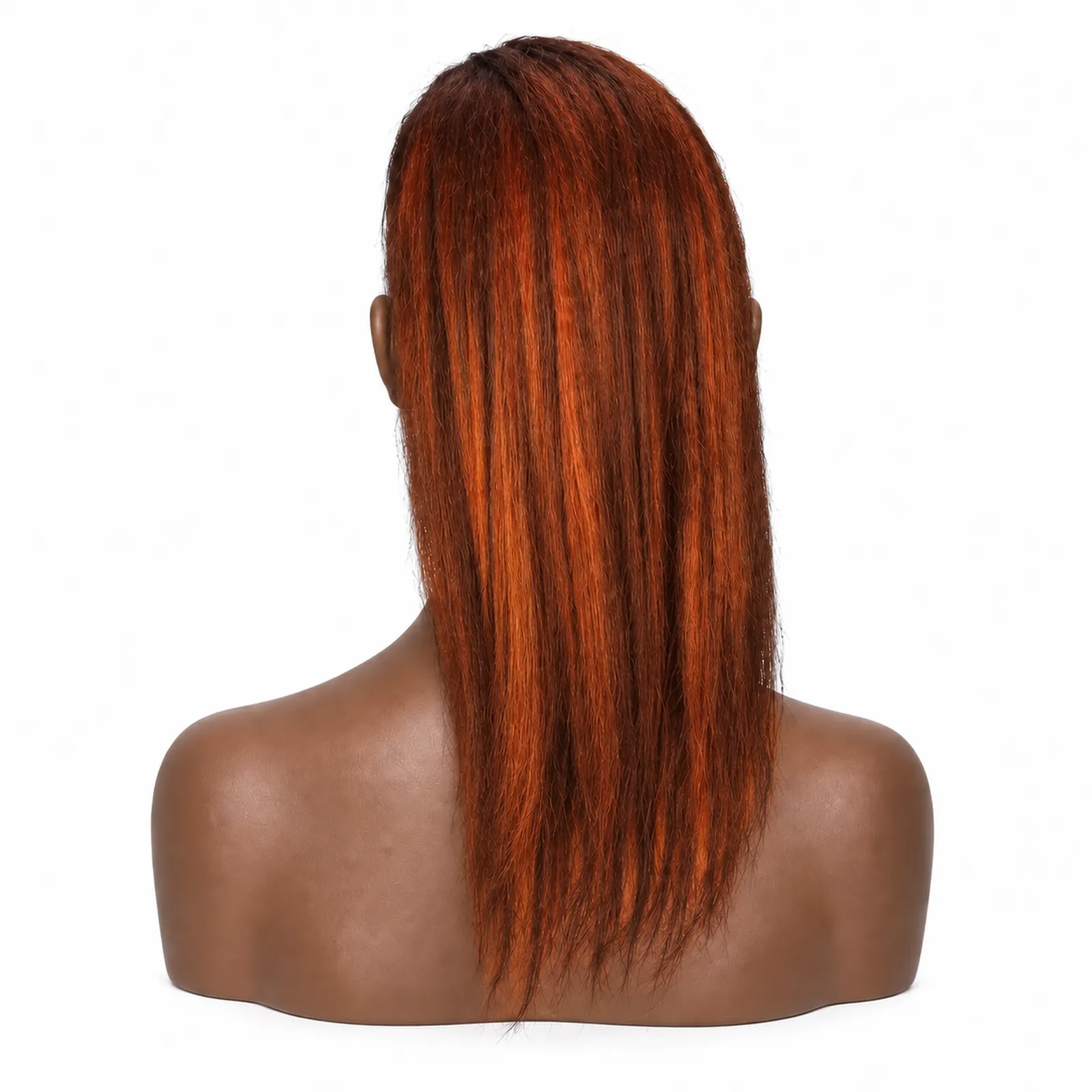
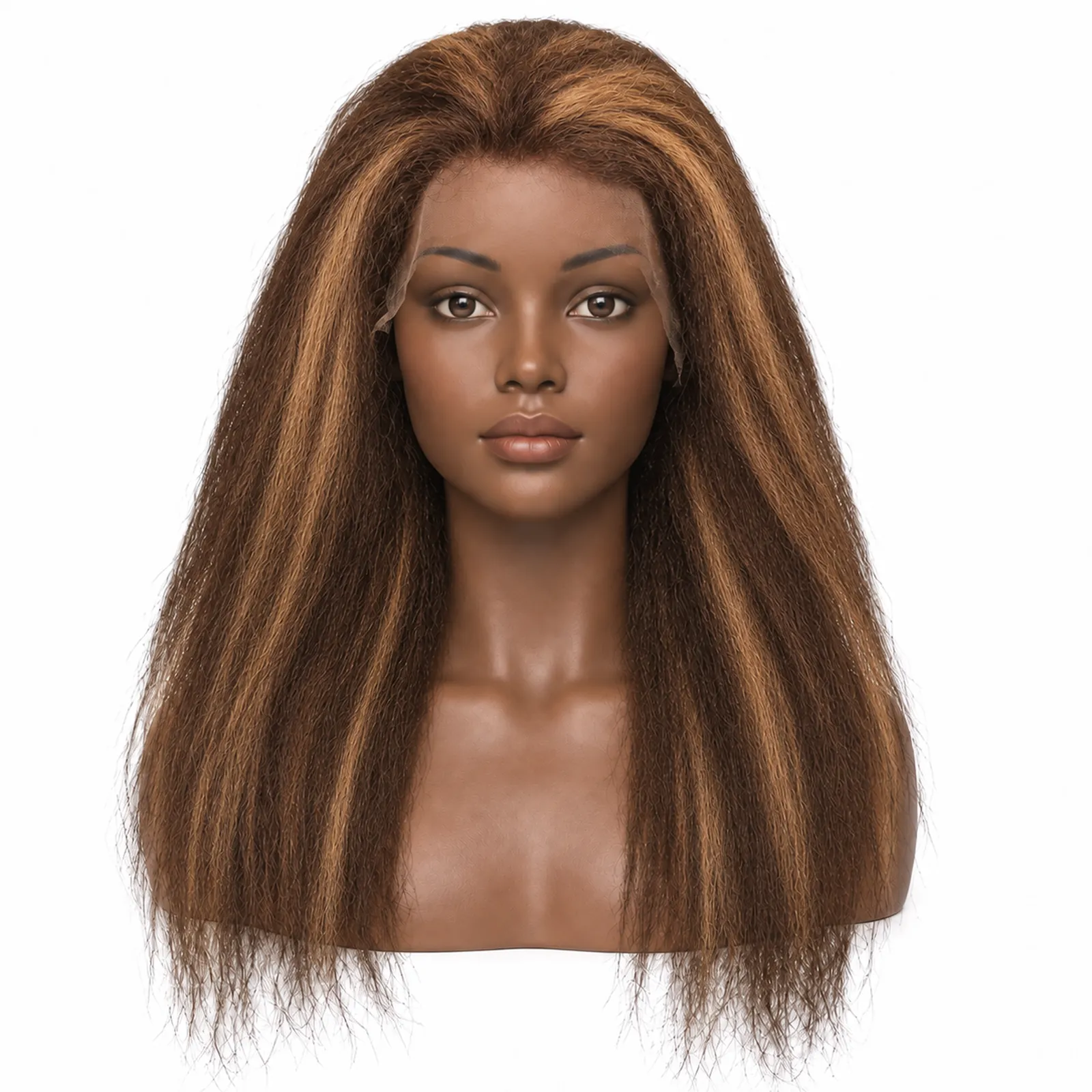
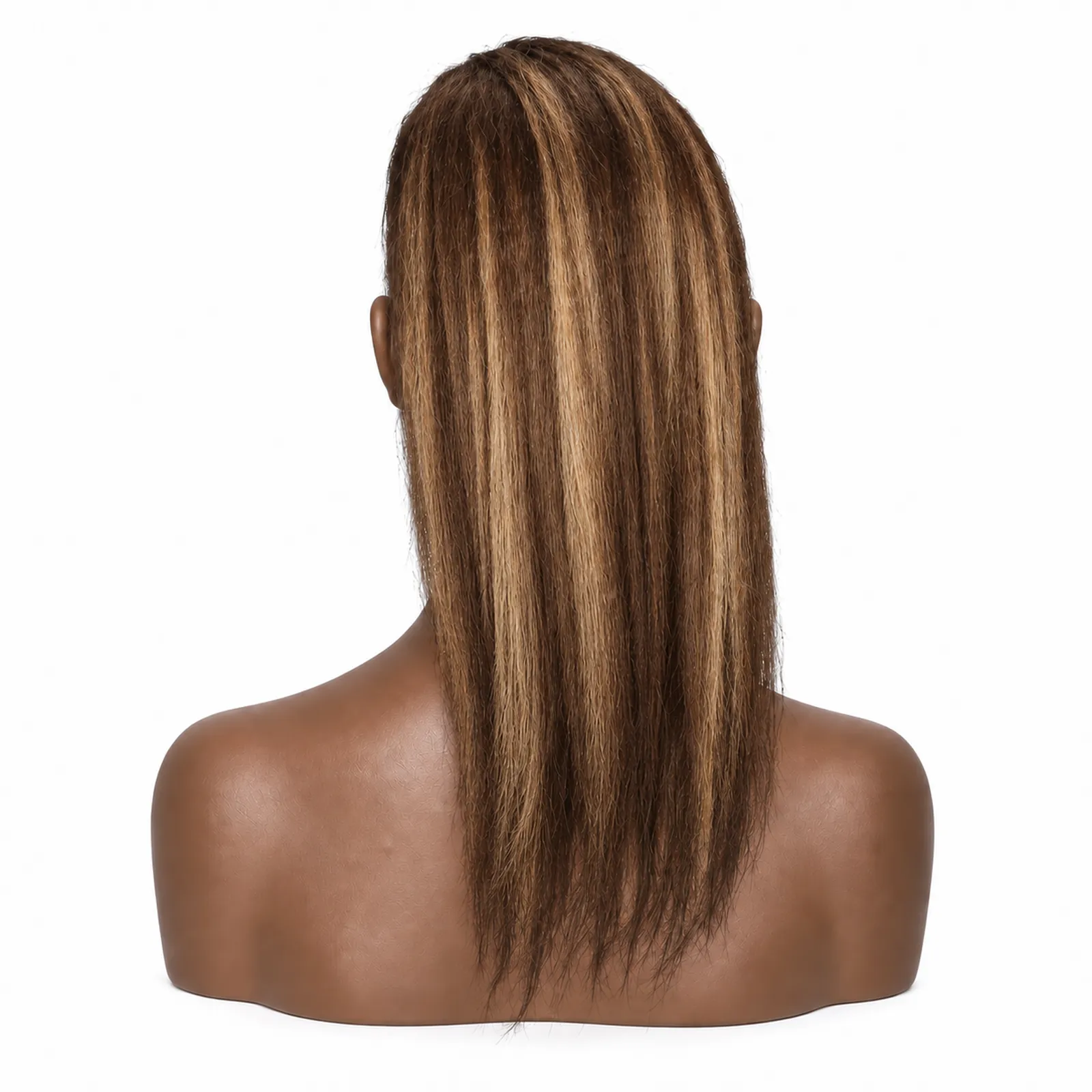
Yaki straight has a light, coarse-looking texture that imitates relaxed or blown-out natural hair. It is a natural-looking choice for anyone who wants straight hair that matches relaxed natural hair.
How it looks at each length
Yaki keeps its full length, because the crimp is too soft to shrink it, but it looks thicker than silky straight at every length. At 16 inches (41 cm) it sits past the shoulders like freshly relaxed hair. From 20 to 24 inches (51 to 61 cm) it has the fullness of a blowout down to the chest or mid-back. From 26 to 32 inches (66 to 81 cm) the weight relaxes the texture near the crown while the ends stay fuller, so the shape widens toward the bottom. Humidity makes it puff slightly rather than shrink.
Which density to choose
Yaki's texture makes every density look fuller than the same number in silky straight. 150% reads as healthy relaxed hair and is the most believable next to your own edges. 180% gives everyday blowout fullness. 200% looks like a fresh salon press with plenty of body. 250% and 300% build big, heavy volume that suits long lengths and stage or event looks more than daily wear.
How to style it
It blends with natural hair without looking too silky, and a flat iron gives it a smoother, relaxed look.
- Fresh press: flat iron thin sections at moderate heat with a protectant for a smoother, relaxed finish that still keeps a soft, natural texture.
- Blowout volume: lift the roots with a round brush and a blow dryer and flip the ends out for a bouncy, full shape.
- Roller set: set damp sections on medium rollers, dry them fully and finger-comb the curls into big, soft waves that hold longer than on silky hair.
- Laid edges: brush the baby hairs down with a little edge control; the yaki texture matches natural edges better than silky hair does.
- Deep side part with a flip: sweep the long side over and pin the short side behind the ear to show the lift at the root.
Care tips
Keep it lightly moisturized and avoid heavy oils, which flatten the textured finish.
Common mistakes and how to avoid them
- Using silky-hair serums and heavy oils: they coat the texture and make yaki look greasy and flat. Use a light cream or a mousse instead.
- Flat ironing it at high heat every day to make it silky: repeated high heat loosens the yaki texture for good. Press it only when you want a sleek look, at moderate heat.
- Brushing it hard from the roots when dry: it snaps knots at the nape and frizzes the texture. Detangle from the ends up with a wide-tooth comb and a spritz of water.
How it compares
Our straight texture is silky: smooth and shiny, like naturally straight hair. Yaki straight has a light crimp and a soft matte finish, like relaxed or pressed afro-textured hair. Next to relaxed hair, silky straight can look too shiny while yaki blends in, and yaki holds curls and volume better. Choose straight for gloss and swing, yaki straight to match your own relaxed hair, and body wave if you want movement rather than a straight look.
Questions about these wigs
What is a yaki wig?
A yaki wig is a straight wig with a slightly coarse, textured finish that imitates relaxed or pressed afro-textured hair. Instead of the glossy slip of silky straight, it has a light crimp and a soft matte look. The name describes the look, not where the hair comes from; light yaki is a smoother version of the same finish.
Does a yaki straight wig look natural?
Yes, especially next to relaxed or pressed natural hair. Its soft texture and low shine look like real relaxed hair, so the wig reads less like a wig than very silky straight does. For the most natural look choose 150% or 180% density, lay the baby hairs with a little edge control and add bleached knots or HD lace if you wear your hairline close to the camera.
Can you flat iron a yaki wig?
Yes. At moderate heat, up to about 180 °C (350 °F), and with a protectant, a flat iron smooths yaki into a sleek, relaxed look. The texture comes back after you wash it and let it air-dry. Keep pressing occasional: frequent high heat relaxes the crimp permanently, and the wig slowly turns into plain straight hair.
Can you curl a yaki straight wig?
Yes, and yaki holds curls better than silky hair, because the texture grips the curl. Use a curling iron at moderate heat or a roller set on damp hair, let the curls cool or dry completely, then break them up with your fingers for soft waves. The curls relax with the next wash, and the yaki texture returns.
How do you wash a yaki wig?
Gently, with plenty of moisture. Detangle with a wide-tooth comb first, wash in lukewarm water with a sulfate-free shampoo stroked down the hair, then condition generously, because textured hair dries out faster than silky hair. Rinse, press out the water with a towel and let it air-dry on a stand; the yaki texture comes back as it dries. Blow-dry it with a round brush if you want more volume.
How do you stop a yaki wig from frizzing?
Keep it moisturized and handle it less. Spritz the lengths with water and a light leave-in, smooth them with your palms and avoid brushing it dry. Sleep with the hair wrapped or under a satin bonnet, and wash out product buildup regularly. A little frizz is normal: it is part of the relaxed texture and looks more natural than a perfectly sleek finish.
Is a yaki wig human hair?
Ours is: every yaki wig we sell is 100% human hair. Yaki is a texture name, and the market also sells yaki wigs in synthetic fiber, which cannot take much heat. A human hair yaki wig can be flat ironed, curled, washed and colored, and with good care it lasts about one to two years.
What does a Yaki Straight wig look like?
Yaki straight has a light, coarse-looking texture that imitates relaxed or blown-out natural hair.
Who is Yaki Straight best for?
It is a natural-looking choice for anyone who wants straight hair that matches relaxed natural hair.